
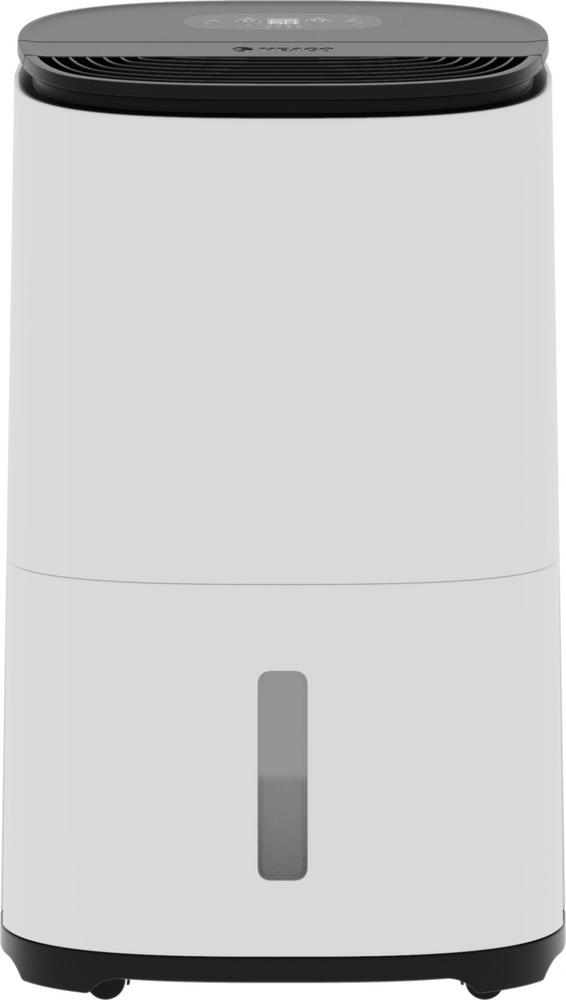
If you are battling condensation on your windows, musty smells in the spare room, or patchy mould in the bathroom, a good dehumidifier can make a huge difference to how your home feels. The De’Longhi DEXD214RF Dehumidifier is a popular choice in the UK, sitting in that sweet spot between compact, easy everyday use and enough power to keep typical rooms drier and more comfortable. In this guide we will look at how to choose and use a dehumidifier effectively, using the DEXD214RF as a reference point and comparing it with a few sensible alternatives if you are still deciding what to buy.
Why a dehumidifier is often the best fix for damp and condensation
Before diving into specific models, it is worth understanding what a dehumidifier actually does. Rather than masking the problem with more heating or endless window wiping, it pulls excess moisture out of the air and collects it in a tank or drains it away. Lower humidity means less condensation, fewer musty smells and a less inviting environment for mould to grow.
In a typical UK home, a dehumidifier can help with:
- Condensation on windows and cold walls in autumn and winter
- Persistent damp patches in corners, cupboards and behind furniture
- Mould spots in bathrooms and around window frames
- Drying laundry indoors without that heavy, damp smell
The De’Longhi DEXD214RF sits in that general-purpose home dehumidifier category: aimed at bedrooms, living rooms and utility spaces where you want a quieter, tidier unit that you can live with day to day. If you want a deeper dive into its features and performance, you can read our full review of the De’Longhi DEXD214RF Dehumidifier here.
Key things to consider when choosing a dehumidifier
Dehumidifiers can look similar at first glance, but a few core decisions will make a big difference to how well they work in your home.
Room size and capacity
The bigger the room or the more severe the damp, the more work your dehumidifier has to do. Capacity is usually described in terms of how much water it can remove from the air over 24 hours, and this is where models in the same family can differ.
The De’Longhi DEXD214RF is aimed at everyday domestic spaces rather than huge basements, so it suits typical UK bedrooms, living rooms and utility rooms. If you have larger spaces or a particularly stubborn damp problem, it is worth looking at a slightly more powerful machine like the De’Longhi DEXD216RF dehumidifier, which is from the same brand and range but steps things up a level.
Noise levels and everyday comfort
If you plan to run a dehumidifier in a bedroom or living area, noise matters just as much as raw power. Compressor-based models often hum quietly in the background, but better designs keep the sound level low enough not to dominate the room.
The DEXD214RF is designed to live comfortably in family spaces where you might watch TV or sleep nearby. For light sleepers, this balance of moisture removal and quieter operation is often more important than chasing the highest possible capacity.
Controls and ease of use
Once the early burst of damp has been brought under control, you want your dehumidifier to quietly tick over without constant attention. Look for:
- Clear controls and indicator lights for full tank and modes
- Automatic shut‑off when the tank is full
- Handles or wheels if you plan to move it between rooms
- Simple humidity or comfort settings
The De’Longhi DEXD214RF keeps things straightforward, which is ideal if you do not want to constantly fiddle with settings. For a closer breakdown of its controls and usability, you can read our in‑depth De’Longhi DEXD214RF review.
Comparing the DEXD214RF with other dehumidifiers and air-care options
Even if you like the look of the DEXD214RF, it is worth seeing where it sits compared with a few alternatives. This helps you decide whether you should go for a similar unit, move up a size, or even choose an air purifier instead if your main problem is allergens.
Stepping up within the same range: De’Longhi DEXD216RF
If you like the style and approach of the DEXD214RF but suspect you might need a bit more punch, the De’Longhi DEXD216RF dehumidifier is an obvious step up. It targets similar types of rooms and has a comparable look and feel, but sits a little higher in price and capability.
Choosing between them often comes down to how large your space is and how severe your damp problem feels. For smaller flats or single rooms, the DEXD214RF will usually be enough; for bigger, more open-plan layouts, the DEXD216RF gives you more headroom so it does not have to work flat out all the time.
A more compact same-brand option: De’Longhi DEX212SF
At the other end of the scale, the De’Longhi DEX212SF dehumidifier is a handy option if you want a smaller, often more affordable model from the same brand. It suits those who mainly need to tackle one or two problem rooms rather than an entire house.
It is worth considering the DEX212SF if:
- You live in a smaller property or just want something for a bedroom or study
- Your damp issue is relatively mild but annoying
- You prefer something a little easier to tuck into a corner
If you are unsure whether to go compact or mid‑range, think about whether your damp is seasonal and light (compact may be fine) or persistent and widespread (the DEXD214RF is usually a safer bet).
When an air purifier might make more sense
If your main issue is dust, pollen, pet dander or general indoor air quality rather than obvious condensation or mould, an air purifier could be more suitable than a dehumidifier. While it does not remove moisture from the air, it does filter out particles that can irritate allergies and asthma.
The Shark NeverChange5 HP300UK air purifier is one example: it uses filters to capture airborne pollutants and is designed for long filter life, minimising maintenance faff. This kind of product is ideal if your windows are dry but you are constantly battling dust, lingering cooking smells or seasonal allergen flare‑ups.
At the more premium end, the Dyson Purifier Cool PC1 air purifier combines purification with cooling airflow. It is a good fit if you want one appliance to help keep summer rooms feeling fresher while quietly cleaning the air in the background.
How to get the best from the De’Longhi DEXD214RF (or any similar dehumidifier)
Whichever model you choose, using it well is just as important as picking the right unit. Here are some practical tips to squeeze the most benefit from a home dehumidifier like the DEXD214RF.
1. Start with the worst room first
If you have a single trouble spot, such as a north‑facing bedroom with streaming windows, set up your dehumidifier there first. Close the door and any windows so it can focus on that air. After a few days of steady use, you should see less condensation and feel the air getting less heavy.
Once things have improved, you can move the unit to other problem areas in turn. This is a good strategy with mid‑range models like the De’Longhi DEXD214RF, which are designed to be portable between different spaces.
2. Use laundry modes and timing wisely
Drying clothes indoors can significantly raise humidity, especially in winter. If your dehumidifier has a specific laundry or turbo mode, use it in the same room as your airer for a few hours after you hang washing up.
Even without a named laundry mode, running the DEXD214RF on a higher fan setting while laundry dries can make a visible difference. It helps clothes dry faster, reduces that sour smell and prevents moisture lingering on cold surfaces.
3. Balance comfort and running costs
The UK climate is often damp rather than hot, so you do not need bone‑dry air to feel comfortable. Many people find somewhere around 50–60% relative humidity feels pleasant and keeps condensation under control.
Rather than running your dehumidifier on maximum all day, look for comfort modes or moderate settings that maintain this band. In the case of the DEXD214RF, it is designed to run quietly and unobtrusively, so it often works best ticking away for a good stretch of the day instead of one or two intense bursts.
4. Keep filters and grills clean
Even simple maintenance makes a big difference to performance. Dust builds up on intake grills and filters over time, forcing the machine to work harder and often making it noisier.
Set a reminder every few weeks to check the filter on your dehumidifier. A quick vacuum or rinse (following the instructions in the manual) helps maintain good airflow and makes the unit more efficient. The same good practice applies to air purifiers such as the Shark NeverChange5 HP300UK and Dyson Purifier Cool PC1, where filter care is especially important.
5. Think about where the water goes
Most home dehumidifiers collect water in a tank at the front or back, which you then pour away in the sink. If you are running the DEXD214RF heavily for the first week or two, expect to empty the tank more often while it catches up.
Some models support a continuous drain option using a hose, which can be handy in utility rooms or garages. If you use this feature, make sure the hose runs downhill all the way to a drain and is secured so it does not kink or pop out.
Is the De’Longhi DEXD214RF right for your home?
The DEXD214RF is built as a practical, everyday dehumidifier for typical UK homes rather than a specialist cellar or industrial unit. With a solid user rating and plenty of customer feedback, it appeals to households who want:
- A tidy, modern‑looking unit that can sit in living spaces without being an eyesore
- Sensible performance for standard bedrooms, lounges and utility rooms
- Simple controls, auto shut‑off and straightforward day‑to‑day use
If that sounds like your situation, it is well worth learning a bit more about how it behaves in real homes. Our hands‑on testing and owner feedback are covered in detail in the full De’Longhi DEXD214RF dehumidifier review, which goes deeper into performance, noise and long‑term impressions.
When to look at the alternatives instead
While the DEXD214RF suits many households, there are clear scenarios where another appliance might edge ahead for you.
- Larger or more open‑plan spaces: If you have a big living‑dining area or an especially damp property, the De’Longhi DEXD216RF gives you more breathing room on capacity.
- Compact homes and lighter damp: For smaller rooms or modest issues, the De’Longhi DEX212SF can be a neat, efficient fit at a slightly lower outlay.
- Allergy and dust problems more than damp: An air purifier such as the Shark NeverChange5 HP300UK may be the better investment if humidity is normal but the air feels stuffy or triggers symptoms.
- Premium air quality plus cooling: If you want a sleek, multi‑function machine that cools as it cleans, the Dyson Purifier Cool PC1 is an aspirational but capable choice.
Thinking honestly about what bothers you most at home – wet windows, musty smells, dust, pet hair or pollen – will guide you to the right type of appliance first, then the right size and budget within that category.
Final thoughts
Getting control of damp and stuffy air does not have to mean cranking up the heating or constantly opening windows in the middle of winter. A well‑chosen dehumidifier like the De’Longhi DEXD214RF can quietly take the edge off humidity, protect your home from long‑term moisture damage and simply make rooms feel fresher and more comfortable.
If you are leaning towards the DEXD214RF, or weighing it against models like the DEXD216RF, DEX212SF or a dedicated air purifier, it is worth spending a few minutes with the detailed reviews linked above. They will help you see how each appliance behaves in real homes so you can choose the one that fits your space, your budget and the way you actually live.