
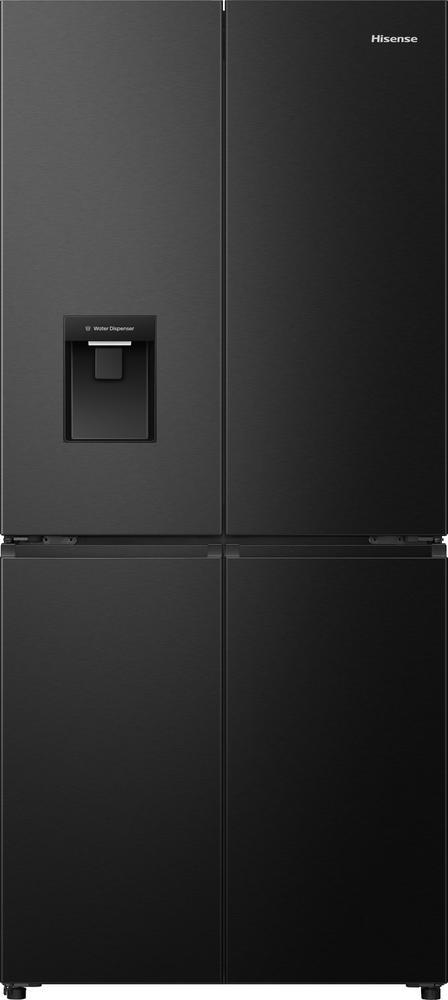
If you’re fed up with cramming your weekly shop into a standard fridge freezer, moving up to an American-style model can be genuinely life-changing in the kitchen. The Hisense RS741N4WCE Non-Plumbed Total No Frost American Fridge Freezer in stainless steel is a popular choice, pairing generous storage with a sleek side-by-side design. In this guide, we’ll walk through what to think about before you buy, how the RS741N4WCE fits into a modern UK home, and a few closely related Hisense alternatives that might suit you even better.
Why choose an American fridge freezer for a UK home?
American fridge freezers are all about capacity and convenience. Instead of juggling shallow shelves and overstuffed freezer drawers, you get wide, easy-access storage that makes weekly shops, batch cooking and entertaining far simpler.
For busy households, that extra space means:
- Room for large pizza boxes, party platters and big joints of meat.
- Plenty of freezer capacity for batch-cooked meals and frozen veg.
- Door storage that can handle big milk bottles and juice cartons.
- Better visibility so food is less likely to be forgotten and wasted.
The Hisense RS741N4WCE sits in this sweet spot: a full-size American fridge freezer designed to fit typical UK kitchens without feeling overwhelming, while still giving you that premium, side-by-side look.
Getting to know the Hisense RS741N4WCE
The RS741N4WCE is a stainless steel, side-by-side American fridge freezer with a non-plumbed design and Total No Frost technology. It’s energy rated E, which is fairly typical for a modern, full-size American model, balancing running costs with performance. With a strong average user score and thousands of ratings, it’s clearly struck a chord with UK households.
If you like the sound of it, it’s worth taking a closer look at the details and real-world experience in our full review of the Hisense RS741N4WCE, where we drill into layout, noise levels and day-to-day usability.
Non-plumbed vs plumbed: which suits you best?
One of the stand-out features of the Hisense RS741N4WCE is that it’s non-plumbed. That might sound like a compromise, but for many UK kitchens it’s actually an advantage.
What non-plumbed really means
A non-plumbed American fridge freezer uses an internal water tank, rather than connecting directly to your mains water supply. In practice, that gives you a few key benefits:
- Flexible placement: You’re not tied to where existing pipework sits, which is ideal if you’re upgrading without a full refit.
- Simpler installation: No need for a plumber or extra pipe runs behind your units.
- Easier to move: If you remodel or relocate the appliance later, you’re not managing fixed plumbing.
The trade-off is that you have to refill the internal tank, but for most households this becomes part of the normal routine alongside filling the kettle or coffee machine.
When to choose a plumbed alternative
If you’d prefer never to think about topping up a tank and are planning a kitchen redesign anyway, a plumbed-in model might make more sense. Within the Hisense line-up, the Hisense PureFlat RS3P558NEID is a good example of a more premium American fridge freezer that may be plumbed-in, combining a sleek flat-door design with Total No Frost and a higher D energy rating. You can see how it compares in real homes in our in-depth RS3P558NEID review.
Total No Frost: why it matters more than you think
Most people focus on capacity and looks, but defrosting is something you’ll really notice a year or two down the line. The RS741N4WCE’s Total No Frost system is designed so icy build-ups never really get started. Cool air is circulated evenly, keeping the temperature stable and moisture under control.
That brings three big everyday benefits:
- No manual defrosting: You avoid the messy, time-consuming job of chipping away ice.
- More usable space: Drawers slide properly and storage isn’t slowly eaten up by frost.
- More consistent freezing: Food is frozen evenly, helping maintain quality and texture.
All of the close Hisense alternatives we’re looking at share this Total No Frost approach, including the black Hisense RS741N4WBE and the PureFlat models like the RS3P558NEFD and RF632N4BCE. Whichever one you lean towards, this is a feature worth insisting on.
Energy rating and running costs: E vs D
With energy prices in the spotlight, it’s sensible to look beyond the sticker price to what an appliance will cost over its lifetime. The Hisense RS741N4WCE carries an E rating under the newer energy label system. That’s not the very top of the scale, but for a full-size American model it’s a solid, modern rating.
If energy efficiency is a priority, it’s worth looking at a D-rated alternative like the Hisense PureFlat RS3P558NEID or the Hisense PureFlat RS3P558NEFD. These models sit slightly higher on the efficiency scale, which can trim running costs over the years, especially in busy family kitchens where the doors are opened constantly.
That said, actual costs depend just as much on how you use the appliance. Simple habits like keeping the fridge reasonably full, letting hot food cool before storing it and not blocking vents can all help any American fridge freezer run more efficiently.
Finish and style: stainless steel vs black
Because these appliances are so big, their finish has a real impact on the look and feel of your kitchen. The RS741N4WCE comes in classic stainless steel, which works well with a broad range of styles, from modern gloss units to more traditional shaker designs.
If you prefer a darker, more dramatic look, the Hisense RS741N4WBE is effectively a close sibling to the hero model, but in black. It keeps the same non-plumbed convenience and Total No Frost system, so your choice becomes largely about colour and how it ties into your cupboards, flooring and worktops.
For an even more contemporary feel, the PureFlat range is well worth a look. Both the RS3P558NEID and RS3P558NEFD feature a flat-door design that sits closer to your cabinetry, helping create that built-in, minimalist look many people want in open-plan spaces.
Thinking about layout and capacity
When comparing American fridge freezers, it’s tempting to focus just on total litres. In real life, layout matters just as much as raw capacity. The RS741N4WCE uses the traditional side-by-side arrangement, with the fridge on one side and the freezer on the other. This is ideal if you like having fresh food and frozen favourites at eye level without bending down.
Look out for:
- Adjustable shelving: Being able to move shelves up or down is essential for taller items.
- Door balconies: Deep, sturdy shelves in the doors make a big difference to usable space.
- Freshness drawers: Dedicated drawers make it easier to separate fruit, veg and meats.
If you prefer a more European-style layout with French doors and freezer drawers below, the Hisense PureFlat RF632N4BCE is an interesting alternative. It keeps the stylish stainless steel look and Total No Frost tech, but offers a different balance of fridge and freezer space. You can see how that plays out day to day in our RF632N4BCE review.
Installation and space planning tips
Before you fall in love with any American fridge freezer, make sure it will actually fit. These appliances are deeper and taller than standard freestanding fridge freezers, and you’ll need clearance for the doors to open fully and for ventilation.
Use this checklist to avoid nasty surprises on delivery day:
- Measure the width, height and depth of your chosen model, including any handles.
- Compare that with the space in your kitchen, allowing a little room at the sides and back.
- Trace the entire path from your front door to the kitchen, measuring tight spots, doorways and corners.
- Check where plug sockets are and, for plumbed models, where the nearest water supply is.
Non-plumbed models like the RS741N4WCE and RS741N4WBE are much easier to drop into an existing kitchen, as you’re not tied to specific pipework positions. If you’re swapping out a standard fridge freezer, they’re usually the most straightforward upgrade option.
Living with an American fridge freezer day to day
Once the appliance is in and running, a few simple habits will keep it working well and help you get the most from that big interior.
- Organise by zone: Group items together (breakfast, baking, leftovers, snacks) so everyone knows where to look.
- Use the doors for everyday items: Things you grab constantly, like milk and condiments, are perfect for the door shelves.
- Rotate older food forward: When you unpack the weekly shop, move older items to the front so they’re used first.
- Keep vents clear: Avoid blocking internal vents so cool air can circulate properly.
Total No Frost systems don’t need defrosting, but a quick wipe-down of shelves and door seals every few weeks will keep everything fresh and hygienic. Stainless steel finishes, like on the RS741N4WCE and RF632N4BCE, are easy to maintain with a soft cloth and a gentle cleaner.
Comparing value across the Hisense range
Within Hisense’s American fridge freezer line-up, you can broadly think of three tiers that sit close to the RS741N4WCE in price and specification:
- Classic side-by-side, non-plumbed: The RS741N4WCE in stainless steel and the RS741N4WBE in black.
- Flat-door, D-rated premium models: The RS3P558NEID (stainless look) and RS3P558NEFD (black stainless effect).
- French-door style with drawers: The RF632N4BCE for those who prefer double doors and lower drawers.
All of these share Total No Frost technology and modern styling. Your decision will come down to the exact layout you prefer, the finish that best suits your kitchen and how much you value the small efficiency step up from E to D rating.
The RS741N4WCE is a strong all-rounder for households that want American-style space without overcomplicating things. If you like the idea of that, read our full hands-on RS741N4WCE review for a closer look at performance, layout and real user feedback.
Which type of American fridge freezer is right for you?
To narrow down your choice, focus on three simple questions:
- How do you shop and cook? Big weekly shops and lots of frozen food suit a classic side-by-side like the RS741N4WCE, while fresh-heavy, daily shoppers may prefer French doors with wide fridge shelving like on the RF632N4BCE.
- What finish matches your kitchen? Stainless steel is versatile; black and black stainless steel can give a bolder, more contemporary look, as seen on the RS741N4WBE and RS3P558NEFD.
- Do you want premium styling and slightly lower running costs? If so, the D-rated PureFlat models (RS3P558NEID/NEFD) are worth stretching to.
Once you’ve answered those, it becomes much clearer whether the RS741N4WCE is the best fit, or whether one of the closely related Hisense alternatives will suit your home better.
Final thoughts
Upgrading to an American fridge freezer is a big decision, both in terms of space and budget, but get it right and it becomes the quiet workhorse at the heart of your kitchen. The Hisense RS741N4WCE brings together generous storage, a smart stainless steel finish, a non-plumbed design and Total No Frost convenience, making it a strong contender for family homes and keen cooks.
If you’re leaning towards this model, take a few minutes to dive into our detailed RS741N4WCE review, and don’t forget to explore the linked alternatives to see which layout, finish and energy rating combination truly matches your kitchen and your lifestyle.