
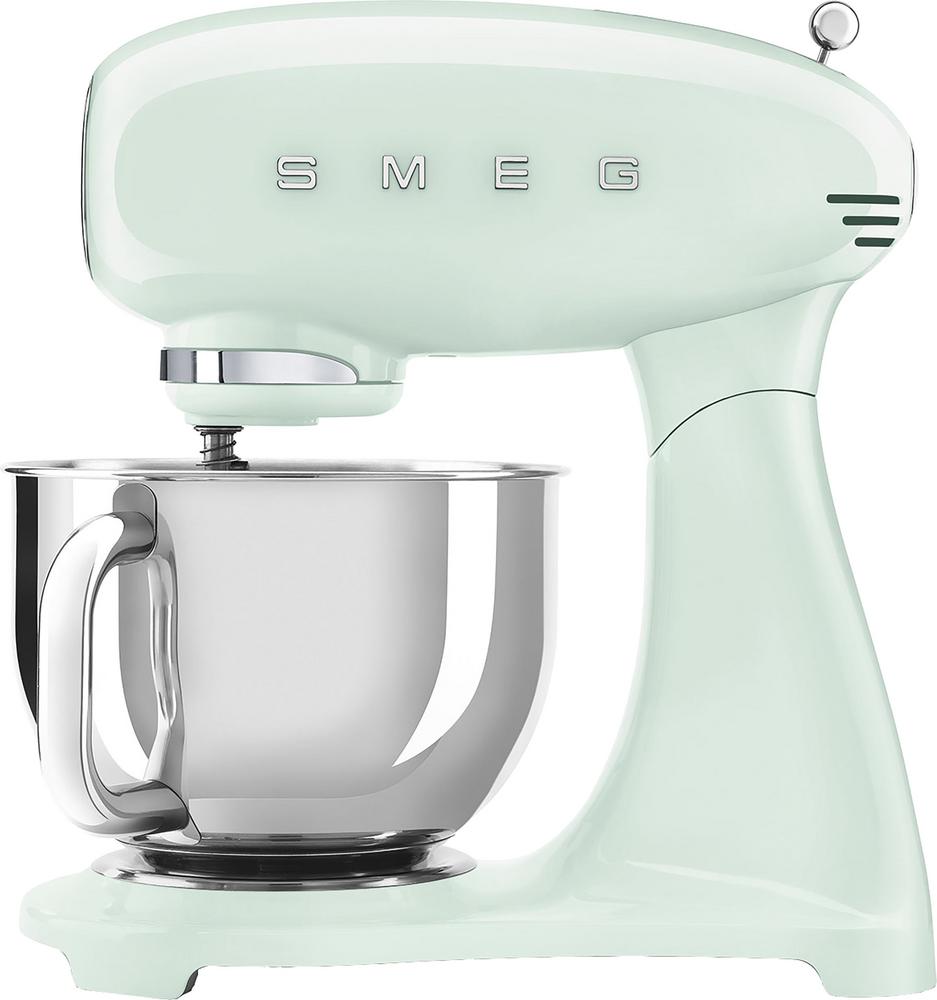
If you love the idea of a statement stand mixer that looks as good as it bakes, the Smeg 50’s Retro SMF03BLUK Stand Mixer in black is hard to ignore. It combines that classic curved 1950s styling with a generous 4.8 litre bowl, making it a natural fit for keen home bakers who don’t want to hide their mixer away. This guide looks at what owning a mixer like the SMF03BLUK is really like, how it compares with some close alternatives, and how to decide which model will suit your kitchen and baking style.
Why people gravitate toward the Smeg 50’s Retro stand mixers
Retro stand mixers appeal for more than just looks. The Smeg SMF03 range sits permanently on the worktop, ready to go, which means you’re far more likely to whip up a cake on a weekday or prove some bread dough at the weekend. The SMF03BLUK’s 4.8 litre bowl is a sweet spot for most households: big enough for family bakes without feeling bulky.
If you’d like the full deep-dive on performance, attachments and day-to-day use, you can read our full review of the Smeg 50’s Retro SMF03BLUK Stand Mixer once you’ve finished this guide. Here, we’ll stay focused on helping you understand whether this type of stand mixer is right for you and what else you might want to consider.
Capacity and size: is 4.8 litres enough?
The headline number on the Smeg SMF03BLUK is its 4.8 litre bowl. For most home kitchens, that’s a very practical size. You can comfortably mix standard cake batters, knead dough for a couple of loaves, or whip cream for a dinner party without crowding the bowl.
If you tend to bake small quantities, this size still works well; you just drop the speed and keep an eye on lighter mixtures. If you often double up recipes or like batch-baking for the freezer, 4.8 litres gives you room to grow without pushing you into professional-sized territory.
If you’d like slightly more capacity without changing brands, the Kenwood kMix KMX754CR Stand Mixer with 5 Litre Bowl is worth a look. Its 5 litre bowl is only a modest bump, but if you regularly knead hefty doughs, that extra headroom can make life easier.
Choosing the right colour for your kitchen
With stand mixers, the finish really matters because they’re usually on display. The SMF03BLUK’s black finish is bold but surprisingly versatile. It tends to sit neatly alongside stainless steel ovens, black hobs and darker worktops, and it can also provide a striking contrast against white units.
However, Smeg’s 50’s Retro stand mixers come in several colours, so you can match the mixer to your kitchen rather than the other way around.
- Red statement piece: If you prefer a pop of colour, the Smeg 50’s Retro SMF03RDUK Stand Mixer with 4.8 Litre Bowl in Red offers exactly the same core concept, just in a much more eye-catching finish.
- Clean and bright: For lighter kitchens, the Smeg 50’s Retro SMF03WHUK Stand Mixer with 4.8 Litre Bowl in White can blend seamlessly with white cupboards and tiled splashbacks.
- Soft and neutral: If you want something more understated than black or red, the Smeg 50’s Retro SMF03CRUK Stand Mixer with 4.8 Litre Bowl in Cream tends to work beautifully in shaker-style or country kitchens.
Because the core bowl size and overall layout are similar across these SMF03 models, you can genuinely choose based on colour and how it will sit in the room. The key is to think long term: are you likely to repaint the kitchen soon, and will your chosen colour still work if you switch from, say, grey to blue units?
Stand mixer vs hand mixer: what changes in everyday baking?
If you’re upgrading from a hand mixer, moving to a stand mixer such as the SMF03BLUK changes your baking routine in a few important ways.
- Hands-free mixing: You can prep fillings, tidy up or line tins while the machine works, instead of holding the mixer over the bowl.
- Better for heavy doughs: A stand mixer copes far better with bread and pizza dough, saving your wrists from long kneading sessions.
- More consistent results: Steady, even mixing leads to better gluten development in bread and more stable meringues and whipped creams.
Of course, a stand mixer is heavier and takes up more space than a hand mixer, so it’s worth measuring your worktop depth and checking the clearance under your wall units before you commit.
Comparing styles: Smeg 50s Retro vs Kenwood kMix
The Smeg 50s Retro mixers and the Kenwood kMix range are often compared because they sit in a similar price bracket and are aimed at keen home bakers who care about design as well as performance.
The Smeg SMF03BLUK leans heavily into 1950s curves, metallic detailing and that sculpted body. It’s designed to be noticed. The Kenwood kMix KMX754CR, by contrast, offers a more squared-off, minimalist look with its own distinctive colour-block finish.
In terms of everyday use, they share the same basic concept: a large bowl, multiple speed settings and standard attachments for dough, cake batters and whisking. If you’re torn between them, think about:
- Design language: Do you prefer soft retro lines or a more modern, boxy shape?
- Bowl capacity: The kMix’s slightly larger bowl might appeal if you bake in big batches.
- Brand ecosystem: If you already own other appliances in a particular style, matching them can create a cohesive look.
Attachments and what you can really do with them
Most stand mixers at this level arrive with a core set of tools: a beater, a dough hook and a whisk. The Smeg 50’s Retro SMF03BLUK is designed around exactly this kind of versatile setup, so you can cover most baking bases straight out of the box.
Here’s how that usually translates into real-world use:
- Beater: Your go-to for cake batters, cookie dough, icings and mashed potatoes. This is the attachment you’ll probably use most often.
- Dough hook: Built for kneading bread, pizza and enriched doughs like brioche. It should handle the hard work without the machine feeling strained.
- Whisk: Ideal for meringues, whipped cream and sponge mixtures that need plenty of air.
If you love experimenting, it’s worth checking what optional extras are available in the same range – things like pasta rollers or meat mincers can turn your stand mixer into more of an all-round kitchen tool. For those details, our complete Smeg SMF03BLUK review goes into the specific accessories and how well they perform.
Noise, power and comfort of use
All stand mixers make some noise, especially at higher speeds, and retro models are no exception. When comparing options, it helps to think about when you tend to bake: if you like early-morning bread or late-night brownies, a smoother-sounding motor becomes more important.
Power figures only tell part of the story. A well-designed motor and gearbox in a mixer like the SMF03BLUK should feel confident with thick doughs without vibrating across the worktop. Look for a smooth speed dial, a secure-feeling head lock and a bowl that’s easy to clip in and out; these details matter every time you bake.
Keeping a retro stand mixer clean and scratch-free
One of the big reasons people pick a retro mixer is the finish, so it’s worth treating it with a little care. Here are some simple habits that keep a mixer like the SMF03BLUK looking good long term:
- Wipe the body with a soft, damp cloth after each use to catch splashes before they dry.
- Avoid abrasive cleaners and scouring pads that can dull the shine.
- Dry the bowl and attachments thoroughly after washing to prevent water spots.
- Store the attachments in the bowl when not in use so they don’t rattle around in a drawer.
If you choose a lighter colour like cream or white, the same principles apply, but you might want to be a little more vigilant about colourful ingredients such as turmeric or beetroot that could stain if left to dry on the surface.
How to decide which stand mixer is right for you
When you’re weighing up the black Smeg SMF03BLUK against its colourful siblings and rivals like the Kenwood kMix KMX754CR, it helps to come back to a few key questions:
- How often do you bake? If it’s just now and then, you might prioritise looks and compactness. If you bake multiple times a week, focus on comfort of use and a bowl size that won’t hold you back.
- What do you bake most? Bread fans should pay particular attention to motor confidence and stability, while cake and dessert lovers may care more about gentle slow speeds and a good whisk.
- Where will it live? Measure your worktop and the space under your wall units to ensure the mixer fits comfortably, with room for the head to tilt up.
- How important is matching your kitchen? This is where the different Smeg colours – black, red, white and cream – come into their own.
Once you’re clear on these points, it becomes much easier to choose between the SMF03BLUK and close relatives like the red SMF03RDUK, the white SMF03WHUK or the cream SMF03CRUK.
When might an alternative make more sense?
While the Smeg 50s Retro range is a great fit for many homes, there are situations where another model might be a better choice.
- If you want a more understated design and slightly larger bowl, the Kenwood kMix KMX754CR Stand Mixer is a strong contender.
- If you’ve already invested in a particular style of small appliance, matching the finish across your kettle, toaster and mixer can give your kitchen a coordinated feel.
- If you know you’ll frequently push the mixer with large, dense doughs, you may lean towards the model with the most robust feel and the best user feedback for bread.
Reading in-depth reviews is the safest way to check how each mixer holds up in real-world use before you commit.
Final thoughts
A good stand mixer changes how you bake. The Smeg 50’s Retro SMF03BLUK Stand Mixer in black brings together a practical 4.8 litre bowl, worktop-friendly footprint and eye-catching retro design, making it an easy mixer to live with day in, day out. Whether you go for black, red, white or cream – or opt for an alternative like the Kenwood kMix – the key is to choose a model that genuinely fits your space and baking habits.
To explore the finer details, real-world test results and specifications, head over to our full Smeg SMF03BLUK stand mixer review, and check the linked reviews of the colour variants and kMix alternative while you’re there. With a bit of comparison and some clear priorities, you’ll end up with a mixer that earns its place on your worktop for years to come.