
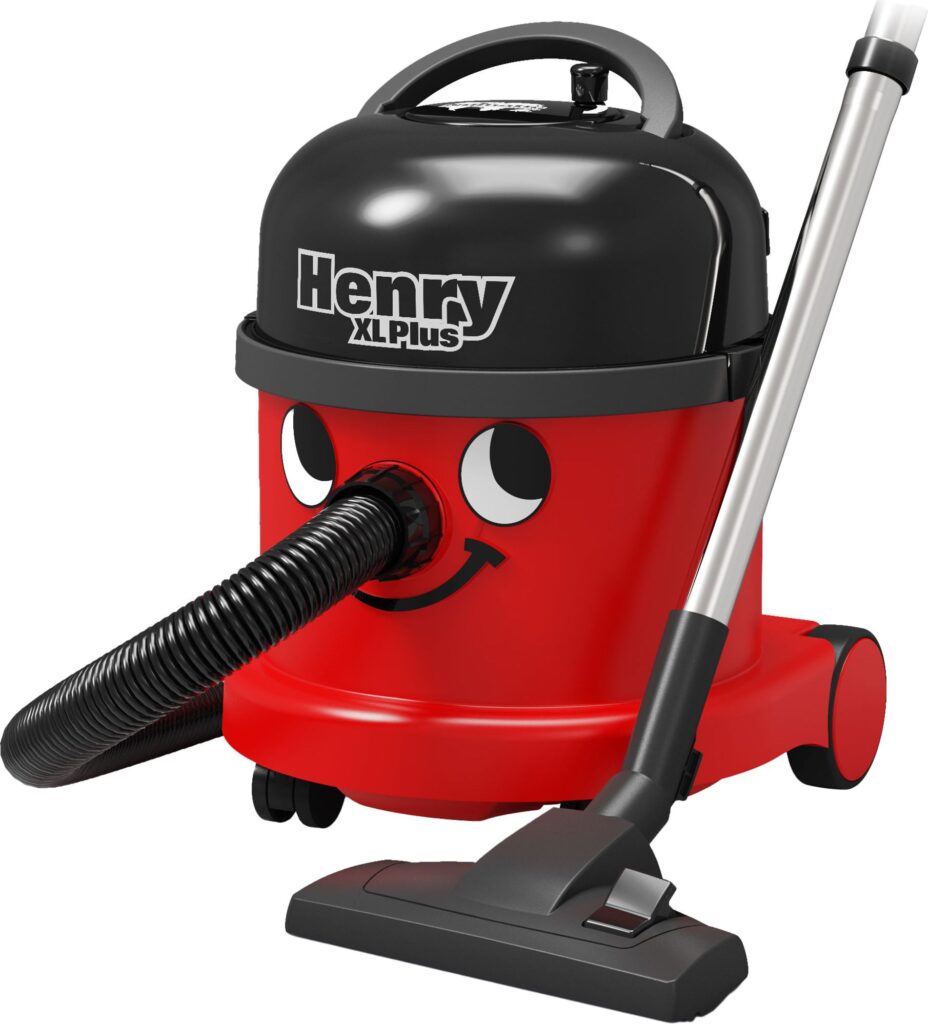
If you share your home with a furry friend, you’ll know that pet hair has a habit of getting everywhere – carpets, sofas, car seats and sometimes even places your pets aren’t meant to go. Keeping on top of all that fluff is much easier when your vacuum is up to the job. The Henry Pet PET 200-11 Cylinder Vacuum Cleaner in green is designed with exactly this challenge in mind, and it sits within a wider family of cylinder and cordless models that can all help you keep your home feeling fresh and fur-free.
Why pet owners often gravitate towards cylinder vacuums
For many UK households, a cylinder vacuum is still the workhorse of day-to-day cleaning. Because it’s mains-powered, you’re not chasing a battery timer while you work, and suction tends to stay strong from start to finish. That’s particularly important when you’re lifting stubborn pet hair out of carpets or from between floorboards.
The Henry Pet PET 200-11 is a classic cylinder style with a separate canister, long hose and wand. This layout is ideal if you’ve got stairs, tight corners or a car to clean. You can park the canister at the bottom of the stairs and reach upwards, rather than wrestling a bulky upright on each step.
If you’d like a deep dive into performance, attachments and user experience, you can read our full review of the Henry Pet PET 200-11 Cylinder Vacuum Cleaner, where we cover it in more detail.
What makes a vacuum cleaner truly “pet-friendly”?
Not every vacuum marketed for pet owners is genuinely built for the job. When you’re comparing models, there are a few practical features that tend to make the biggest difference in real homes:
- Effective pet tool: A turbo or motorised brush for sofas, stairs and car interiors is far more efficient than a basic nozzle on fur.
- Strong and consistent suction: Pet hair clings to fabrics and carpet fibres, so you need power that doesn’t fade mid-clean.
- Good filtration: Fine dander is a trigger for allergies; decent filters help keep it inside the machine rather than floating around the room.
- Generous capacity: Pet hair fills bags and bins quickly; a larger capacity means fewer trips to the bin mid-clean.
- Useful attachments: Crevice tools, dusting brushes and upholstery heads help you reach those awkward hairy spots – skirting boards, radiators and the edges of dog beds.
The Henry Pet PET 200-11 is designed around these needs, adding pet-focused accessories to the familiar Henry formula. If you want to see how those tools perform in day-to-day use, our in-depth Henry Pet PET 200-11 review walks through real-world cleaning tests.
Comparing the Henry Pet with other Henry-family cylinders
If you like the idea of a tough, bagged cylinder but aren’t sure which version suits you best, it’s worth looking at the other models in the same family. Several sit close to the Henry Pet in both price and design, but target slightly different needs.
Henry Blue 907323 – the classic all-rounder
The Henry Blue 907323 Cylinder Vacuum Cleaner sticks to the tried-and-tested Henry formula in a smart blue finish. It’s aimed more at general home use than specifically at pet owners, but it still offers that familiar combination of strong suction, a big bag and a long cable that lets you cover large areas without constantly changing sockets.
If you only have a short-haired pet or you’re mainly dealing with the odd patch of fur rather than heavy shedding, the Blue version can be a solid, no-nonsense option. It suits homes that need a dependable all-round cylinder and don’t necessarily require the extra pet-focused attachments.
Harry HHR200-11 – another pet specialist to consider
Alongside Henry Pet, the Harry HHR200-11 Cylinder Vacuum Cleaner with Pet Hair Removal is also tuned for homes with animals. It’s built on a very similar cylinder platform but with its own styling and accessory set, including tools developed specifically to tackle fur and fluff on both carpets and hard floors.
If you’re comparing Harry and Henry Pet, think about your priorities. You might prefer one’s tool bundle or slight design tweaks over the other, even though both aim at the same fur-filled challenges. Reading both our Harry HHR200-11 guide and the Henry Pet article side by side can help you spot which better matches your home layout and flooring.
Henry Xtra HVX 200-11 – for homes that need a bit more versatility
The Henry Xtra HVX 200-11 Cylinder Vacuum Cleaner broadens things out a little, with a focus on extra features for busy family homes. While it’s not labelled purely as a pet vacuum, its accessories and floor heads are designed to cope with everything from crumbs under the dining table to dust on hard floors and rugs.
If your main concern isn’t just fur, but also day-to-day mess in a high-traffic household, Henry Xtra can be an appealing balance. It’s worth considering if you want that big-bag cylinder practicality with a more general “whole home” angle, while Henry Pet and Harry lean more heavily into dedicated pet hair removal.
When a cordless vacuum might suit you better
Cylinder vacuums are brilliant for full-house deep cleans, but cordless models have shaken things up by making everyday tidying much easier. If you find yourself constantly grabbing a dustpan and brush for quick spills or light pet hair on the sofa, a cordless stick can complement (or even replace) a plug-in cylinder.
The Dyson V8 Advanced Cordless Vacuum Cleaner is a popular example in this space. It’s light enough to carry around one-handed, clips easily into a wall dock and converts into a handheld, making stairs and car seats far less of a chore. For pet owners, its motorised heads are particularly helpful on upholstery and rugs, and being cordless means you’re more likely to do quick top-ups between deeper cleans.
If you’re torn between a cordless stick and a cylinder like Henry Pet, think about how you clean now. If you usually do one thorough weekly clean, a cylinder may still be your best bet. If you prefer several short bursts of cleaning throughout the week, a cordless model – or a combination of both – can feel much more natural.
Bagged vs bagless: what’s best when you have pets?
Pets shed fur, dander and sometimes tracked-in dirt, so the way a vacuum stores that debris matters. Bagged machines like Henry Pet keep everything neatly contained in a disposable bag. When it’s full, you remove it, tie it off and put it in the bin with minimal contact with the dust.
Bagless models, on the other hand, save you from buying replacement bags and let you see exactly what you’ve picked up. The trade-off is that emptying the bin can release a puff of fine dust, especially when you’re dealing with lots of fluff and hair. If anyone in the house suffers from allergies or asthma, bagged systems often feel more comfortable to live with.
There’s no right or wrong answer – it’s about which compromise suits you best. If convenience and not having to buy bags are top priorities, something like the Dyson V8 Advanced will appeal. If you’d rather keep everything sealed away, Henry Pet and its cylinder siblings will likely win out.
Practical tips for cleaning pet hair with a cylinder vacuum
Whichever model you choose, a few simple habits can make day-to-day pet hair management much easier:
- Use the right attachment: Don’t try to do everything with the main floor head. Swap to the pet or upholstery tool on sofas, dog beds and stairs for quicker, deeper results.
- Vacuum in different directions: On carpets and rugs, go over the same area from a couple of angles to lift hair that’s wrapped around fibres.
- Lower the pile before vacuuming: A quick brush of your pet with a grooming tool outside, or just before vacuuming, removes loose fur that might otherwise stick to flooring.
- Check the brush bar: Periodically remove tangled hair from rotating brushes with scissors; this keeps them spinning freely and maintains performance.
- Empty regularly: Don’t wait until the bag or bin is bursting. Pet hair can clog airflow when it’s tightly packed, reducing suction.
Looking after your pet vacuum so it lasts
Pet hair is one of the toughest challenges for any vacuum cleaner, so a little routine maintenance goes a long way towards keeping your machine running smoothly.
First, keep an eye on filters. Whether you have a cylinder like Henry Pet or a cordless model, clogged filters restrict airflow and make the motor work harder. Follow the manufacturer’s guidance on washing or replacing them and set a reminder on your phone if you tend to forget.
Second, be kind to the cable and hose. With cylinder vacuums, it’s tempting to yank the hose to drag the machine around corners, but that adds strain over time. Instead, guide the canister with a gentle pull or move it manually between rooms.
Finally, use your vacuum for what it’s designed for. Occasional fine DIY dust or a handful of pet litter is one thing; regularly picking up large chunks of plaster, ash or damp material is another and can quickly shorten the life of any machine.
Choosing between Henry Pet and its closest alternatives
When you’re narrowing down your shortlist, focus on how you actually live rather than just headline features. If pets are your main concern and you like the simplicity of a corded, bagged machine, the Henry Pet PET 200-11 and the Harry HHR200-11 with pet hair removal are the natural places to start. Their accessories are tailored to fur, and their capacities make them well suited to multi-pet homes.
If you want the same rugged cylinder design but your household mess is more about everyday crumbs, dust and occasional fur, the Henry Blue 907323 or Henry Xtra HVX 200-11 are attractive, flexible options. They’re particularly handy if you’ve got a mix of different floor types and need one machine to cope with them all.
And if you’re someone who prefers light, quick, cordless cleaning, the Dyson V8 Advanced Cordless Vacuum Cleaner shows how far modern sticks have come. It can be a brilliant partner to a cylinder, handling daily top-ups so your main cleaner can focus on deeper weekly cleans.
Bringing it all together
Living with pets doesn’t have to mean resigning yourself to hairy carpets and furniture. With a well-chosen vacuum cleaner, regular maintenance and a few smart cleaning habits, you can keep on top of fur and dander without spending your whole weekend tidying. Cylinder models like the Henry Pet PET 200-11 offer a reassuringly sturdy, plug-in option, while cordless sticks provide grab-and-go convenience.
If you’re leaning towards a cylinder and want a detailed look at how a pet-focused machine performs in real homes, head over to our full Henry Pet PET 200-11 Cylinder Vacuum Cleaner review. Or, if you’re still weighing up your options, explore the linked guides to similar cylinders and cordless models to find the combination that fits your floors, your routine and, of course, your four-legged family members.