
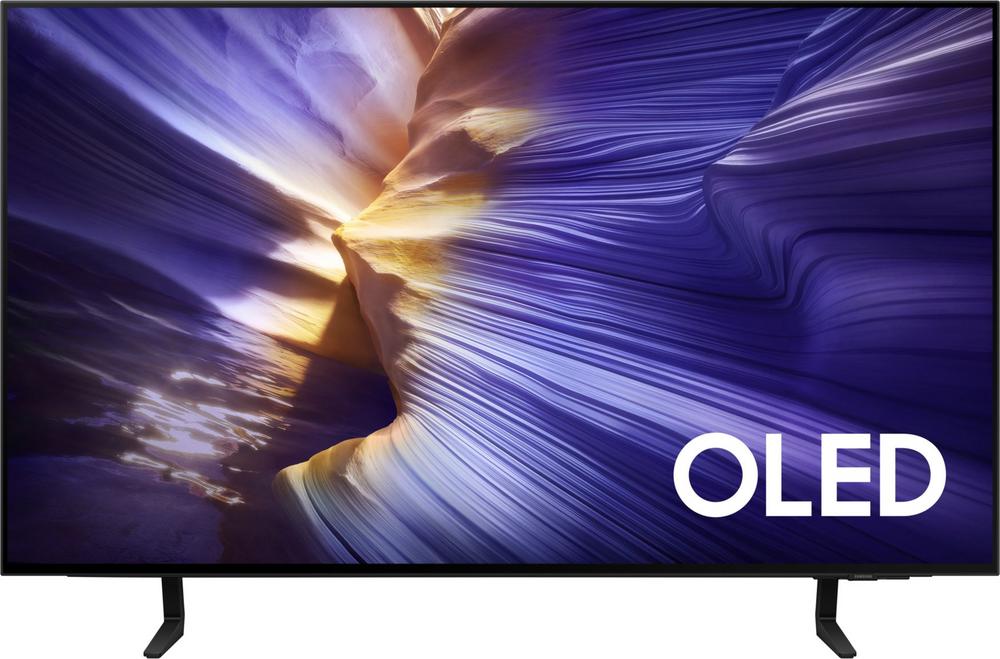
If you’re planning a big TV upgrade in 2025, it’s hard to ignore how good modern OLED sets have become. Deep blacks, punchy colours and slick gaming features are now available at prices that would have seemed unlikely a few years ago. The Samsung S85F 55″ 4K Ultra HD OLED Smart TV (QE55S85F) is one of the stand-out 55-inch options, but it’s not the only route to that cinematic OLED picture. Here’s how to decide if it’s the right size and style of TV for your home, and how it compares with popular alternatives from Samsung, LG and Panasonic.
Why consider a 55″ OLED TV in 2025?
A 55-inch OLED TV hits a sweet spot for many UK homes. It’s large enough to feel genuinely cinematic but still manageable for typical living rooms and TV units. With 4K resolution, you can sit relatively close without seeing pixels, and OLED’s self-lit pixels mean outstanding contrast for films, sport and gaming.
The Samsung S85F 55″ OLED is a good example of where the market is now: a premium-looking TV with advanced picture tech, a smart platform for streaming and gaming-friendly features, backed by a strong user rating of 4.9 from 69 reviews. If you want to dive into specific test results, gaming modes and picture presets, you can read our full review of the Samsung S85F 55″ 4K Ultra HD OLED Smart TV, but this guide will focus more on helping you decide whether this type of TV suits your room, budget and habits.
Getting the right size: is 55″ right for your room?
Before you focus on brands and feature lists, it’s worth checking that 55 inches is genuinely the right size. As a rule of thumb, if your sofa is about 2 to 3 metres from the screen, a 55-inch OLED provides an immersive but comfortable viewing experience.
If your seating is closer than 2 metres, a slightly smaller model may feel more balanced. Samsung’s own Samsung S93F 48″ 4K Ultra HD OLED Smart TV is worth a look if you like the Samsung approach but need something a touch more compact. And if you’re dealing with a narrower TV stand or alcove, 48 inches can make placement easier while still delivering that striking OLED punch.
OLED picture quality: what to expect day to day
OLED panels are known for their deep blacks and excellent contrast. Because each pixel can switch off individually, dark scenes in films and TV shows have a richness that even high-end LED sets can struggle to match. On a 55-inch screen, that contrast becomes very obvious, especially when you turn the lights down for movie night.
The Samsung S85F sits in the brand’s 2025 OLED line-up, and user feedback suggests it delivers the kind of vibrant, detailed 4K picture you’d expect at this level. Whether you’re watching streaming services, Freeview or your own 4K discs, you should notice:
- Inky blacks that give films more depth and texture.
- Strong contrast, helping highlights stand out without washing out the shadows.
- Sharp 4K detail, particularly on high-quality streams and UHD Blu-rays.
- Smooth motion with the right settings for sport and action scenes.
Other brands approach OLED slightly differently. Models like the LG C55LA 48″ 4K Ultra HD OLED Smart TV and LG B56LA 48″ 4K Ultra HD OLED Smart TV are long-standing favourites for their cinematic picture and wide format support, especially for film fans. Meanwhile the Panasonic Z80 55″ 4K Ultra HD OLED Smart Fire Freely TV has a strong reputation for natural-looking colours and broadcast-friendly processing, which is ideal if you’re a heavy Freeview or live sport viewer.
Smart TV platforms: living with your OLED day to day
Once you step up to a premium OLED, the smart TV experience becomes just as important as raw picture performance. The Samsung S85F runs Samsung’s smart TV platform, which puts major streaming services front and centre and includes a range of apps for UK catch-up TV.
Key things to think about here are:
- App support: Make sure the services you actually use (Netflix, Prime Video, Disney+, BBC iPlayer and so on) are available and well supported.
- Ease of navigation: If multiple people in the house will be using the TV, a clean and intuitive menu system can be more important than one extra niche app.
- Voice control and search: Built-in voice assistants can be handy for quickly finding shows or switching inputs.
Different brands have different strengths. The Panasonic Z80 uses Fire TV with Freely integration, which will feel instantly familiar if you already use Fire TV streaming sticks and like the way they organise content. LG’s webOS platform on the C55LA and B56LA is well-loved for its simple layout and smooth navigation. If you’re not wedded to one ecosystem already, it’s worth looking at screenshots or in-store demos of each before you decide.
Comparing key alternatives to the Samsung S85F
The Samsung S85F sits in a competitive corner of the market. Understanding what close rivals offer can help you decide what matters most for your home.
Same-brand alternative: Samsung S93F 48″ OLED
If you like the Samsung picture style and smart features but don’t quite have the space or budget for a 55-inch set, the Samsung S93F 48″ 4K Ultra HD OLED Smart TV is a strong smaller-screen option. Priced at around £899 with a 4.8 rating from 22 reviews, it keeps the same overall philosophy of rich colours and slick smart features, just in a more compact package.
It makes sense in bedrooms, smaller lounges or gaming rooms where you’ll sit closer to the screen. If you’re torn between the S85F and S93F and want a deeper breakdown of picture modes, gaming inputs and design differences, you can always cross-reference with our dedicated review pages for each model.
Value favourite: LG C55LA 48″ OLED
LG’s C-series OLEDs have been go-to choices for years, and the LG C55LA 48″ 4K Ultra HD OLED Smart TV is a good example of why. At around £799 and with hundreds of positive reviews, it offers premium OLED performance at a very competitive price.
Although it’s a 48-inch rather than 55-inch set, it’s ideal if you’re shopping by budget or want LG’s well-regarded gaming features and comprehensive format support. If you’re primarily interested in pure picture quality per pound and don’t strictly need 55 inches, this model is well worth shortlisting.
Another 55″ contender: Panasonic Z80 55″ OLED
Staying at the 55-inch size, the Panasonic Z80 55″ 4K Ultra HD OLED Smart Fire Freely TV gives you a direct alternative to the Samsung S85F at similar money (around £799 at the time of writing). Panasonic has a strong reputation for accurate, film-friendly picture tuning, which appeals if you watch a lot of movies and prestige TV drama.
The Fire TV and Freely integration also make it particularly straightforward to access both streaming services and traditional broadcast channels in one place. If you want that cinematic 55-inch OLED experience but value natural colours and familiar Fire TV menus, this one is an excellent rival to the S85F.
Mid-range OLED alternative: LG B56LA 48″
Sitting slightly below the C-series in LG’s line-up, the LG B56LA 48″ 4K Ultra HD OLED Smart TV targets buyers who want OLED quality but are happy to trim a feature or two to keep the price under control. At around £829 with a strong user rating, it still delivers the trademark OLED contrast in a 48-inch form factor.
It’s a sensible compromise if you’re balancing budget, room size and performance. You might give up some higher-end processing or brightness compared to pricier 55-inch sets, but in a typical UK lounge it will still feel like a massive step up from an older LCD TV.
Gaming on an OLED: what to look for
Many buyers now choose an OLED TV not just for films and sport, but for gaming on modern consoles and PCs. The Samsung S85F is positioned as a modern 4K OLED, so you can reasonably expect gaming-friendly features such as low input lag modes, and support for the latest console capabilities on at least some HDMI ports.
When comparing OLEDs for gaming, consider:
- Input lag: Game modes reduce processing so your actions feel more immediate.
- High refresh rates: Support for higher refresh rates delivers smoother motion in fast-paced titles.
- Variable refresh rate: Helps to reduce tearing and stutter when frame rates fluctuate.
- Burn-in protection: Modern OLEDs include tools to minimise the risk from static HUD elements.
Samsung, LG and Panasonic all now treat gaming seriously at this level, but if your TV will be more console than cinema, it’s worth checking the detailed gaming sections in each model’s in-depth review. For the Samsung S85F specifically, you can read our full review of the Samsung S85F QE55S85F OLED to see how it handles response times and console features in practice.
Installation, placement and everyday usability
At 55 inches, the Samsung S85F will dominate the wall or furniture it lives on, so it pays to think through installation before you buy. Check the TV’s official dimensions and stand width to make sure it will sit securely on your existing unit, or measure up for a suitable wall bracket with enough adjustment to tilt away from reflections.
Other practical points to consider include:
- Cable management: With multiple HDMI devices, a soundbar and perhaps a games console, tidy cable routing will keep your set-up looking clean.
- Viewing height: Ideally, the centre of the screen should be roughly at eye level when you’re seated.
- Reflections: Try not to place the TV directly opposite large windows or bright lamps.
- Sound system: Decide whether you’ll rely on the TV’s speakers or add a separate soundbar or surround system.
These same tips apply across the board, whether you’re eyeing the Samsung S85F, the Panasonic Z80 55″ or a smaller 48-inch LG or Samsung alternative.
Picture settings and getting the best out of your OLED
Whichever OLED you choose, taking a few minutes to tweak the picture settings can make a big difference. Out of the box, many TVs ship in bright, vivid modes designed to catch attention in showrooms. For home viewing, especially in the evening, a more natural picture mode will usually look better.
Helpful steps include:
- Select a “Cinema” or “Movie” mode for films and TV drama.
- Use a “Standard” or “Natural” mode for everyday daytime viewing.
- Enable the dedicated “Game” mode when using consoles or PCs.
- Experiment with motion smoothing; some people prefer it off for films but on for sport.
If your OLED has an ambient light sensor or adaptive brightness, you can also test this to see whether it helps in your particular room. Some viewers prefer consistent brightness, while others like the TV to adjust automatically.
Energy use and long-term ownership
Energy efficiency is increasingly important when choosing a new TV. Larger screens inevitably use more power than smaller ones, and bright HDR content can drive consumption up on any technology, including OLED. However, a 55-inch OLED like the Samsung S85F is generally efficient for its size, especially if you use energy-saving or eco modes.
To keep running costs sensible over the years, you can:
- Reduce overall brightness slightly, especially in dark rooms.
- Enable any automatic power-saving modes that don’t harm your viewing experience.
- Turn the TV off fully when not in use rather than leaving it on for background noise for hours.
These same habits will help any of the alternative OLEDs, whether you opt for a 55-inch Panasonic Z80 or a more compact 48-inch LG or Samsung.
Which OLED TV should you pick?
There’s no single “best” OLED TV for everyone. The right choice depends on your room size, budget, viewing habits and brand preferences. The Samsung S85F 55″ OLED is an excellent all-rounder if you want a big-screen, premium-feeling TV with a strong user rating and a modern smart platform.
If space is tight or you’d prefer to spend less, the 48-inch alternatives from Samsung and LG are very appealing. And if you’re set on a 55-inch screen but fancy natural, film-friendly tuning and Fire TV integration, Panasonic’s Z80 is a very credible rival. Spend a little time comparing the strengths of each model, then head to the detailed write-ups – starting with our in-depth review of the Samsung S85F 55″ 4K Ultra HD OLED Smart TV – to confirm your shortlist.
Once you’ve matched the TV to your room and habits, you can look forward to years of truly cinematic viewing, whether you’re binging boxsets, watching live sport or diving into the latest games.