
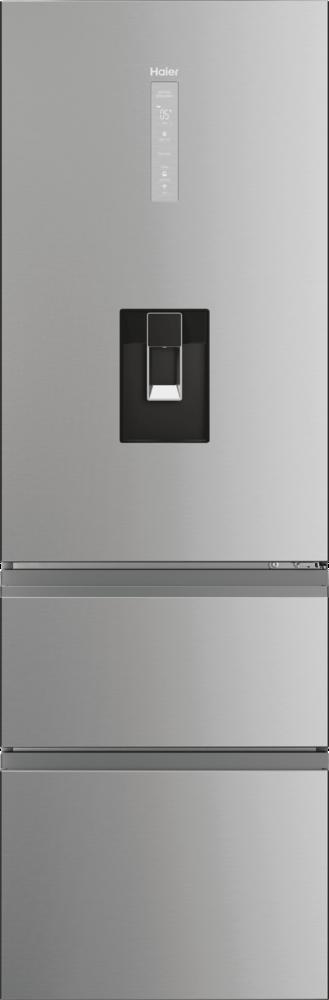
Choosing a new fridge freezer is a big decision. It has to fit your space, cope with your weekly shop and quietly get on with the job for years. With modern features like no frost technology and Wi-Fi connectivity now common, it can be hard to know what actually makes a difference day-to-day. Using the Haier 3D 60 Series 5 HTW5618ENMG 60/40 No Frost Fridge Freezer as a reference point, this guide walks through what to look for, how to make the most of clever features, and a few excellent alternatives if you’re still weighing up your options.
Understanding modern frost free fridge freezers
Most mid-range and premium fridge freezers are now frost free, or “no frost”. Instead of letting ice quietly build up inside the freezer, they use fans and controlled air circulation to remove moisture before it can settle. That means no more weekend spent hacking at ice, and drawers that open smoothly all year round.
The Haier 3D 60 Series 5 HTW5618ENMG sits firmly in this modern camp with its 60/40 split and no frost freezer. If you’d like a deeper dive into its specific features, layout and performance, you can always read our full review of the Haier 3D 60 Series 5 HTW5618ENMG WiFi Connected 185cm 60/40 No Frost Fridge Freezer. For now, we’ll focus on how to think about this style of appliance more generally, and how it compares with a few popular alternatives.
Getting the right split: 60/40 vs 50/50 vs 40/60
The split between fridge and freezer is one of the first big choices. The Haier model offers a 60/40 layout: more space for fresh food at the top, with a decent-sized freezer underneath. This suits households that cook from scratch, buy a lot of fresh ingredients and perhaps use the freezer for batch cooking or a small stock of frozen essentials.
If you live on frozen food or like to stock up when things are on offer, you might prefer a more equal or freezer-heavy arrangement. The Bosch Series 2 KGN34NLEAG 186cm 50/50 No Frost Fridge Freezer and Bosch Series 2 KGN34NWEAG 186cm 50/50 No Frost Fridge Freezer both offer a straight 50/50 split, giving you more room for frozen food without going up to a separate chest freezer.
At the other end of the scale, a 40/60 design like the Beko CFG4501S 201cm 40/60 Frost Free Fridge Freezer prioritises freezer space even more. This can be handy if you batch cook for a large family or like to buy meat in bulk and portion it out for the month.
When you’re choosing between these splits, think about:
- How often you shop – frequent fresh shops favour a larger fridge.
- How much you cook from scratch vs relying on frozen meals.
- Whether you already own a separate freezer in a garage or utility room.
- Any seasonal habits, like stocking up on festive food or garden produce.
Height, footprint and fitting a 185–201 cm appliance into your home
The Haier 3D 60 Series 5 stands at around 185 cm tall, which is a common height for a family fridge freezer. Alternatives like the Bosch Series 2 KGN36NWEAG 186cm 60/40 Frost Free Fridge Freezer and the Beko CFG4501S at 201 cm give you a good idea of the typical range.
Before you fall in love with any model, it’s essential to measure your space carefully:
- Height: Allow a little extra clearance above for air to circulate and for manoeuvring it into place.
- Width: Don’t forget skirting boards and any slightly uneven walls or worktops edging into the space.
- Depth: Check whether you’re measuring to the doors or the cabinet; doors often stick out slightly.
- Door swing: Make sure the door can open fully without hitting walls, radiators or islands – you’ll want to pull out crisper drawers and shelves without obstruction.
It’s also worth considering the delivery route: tight hallways, narrow doors and sharp turns can make getting a tall appliance into the kitchen surprisingly challenging.
Wi-Fi connectivity and smart features: useful or just a gimmick?
One of the standout features in the Haier 3D 60 Series 5 HTW5618ENMG is its Wi-Fi connectivity. In practical terms, this usually means you can connect the fridge freezer to an app to monitor and adjust settings remotely. You might get alerts if the door is left open, the temperature rises or if the appliance detects an issue.
Used well, these smart features can be genuinely helpful. Being able to check that your freezer is still at the correct temperature while you’re away, or quickly switch to an eco or holiday mode, is reassuring. If you enjoy smart home tech, it’s worth exploring what the Haier’s connected features offer in more detail by heading over to our in-depth Haier 3D 60 Series 5 HTW5618ENMG review.
However, if connectivity doesn’t appeal, you may prefer the straightforward approach of models like the Bosch Series 2 range or the Beko CFG4501S. These focus on traditional strengths such as build quality, practical layouts and reliable frost free systems, without the extra layer of app control.
Energy ratings and running costs in real life
Most of the models we’re looking at here, including the Haier 3D 60 Series 5 and the alternative Bosch and Beko fridge freezers, carry an E energy rating under the newer EU/UK energy label system. On paper that might sound middling, but the new labels are stricter than the old A+++ style ratings, so an E can still be a solid performer.
What really matters is how that rating translates into your home:
- Size vs household: Don’t buy more capacity than you’ll realistically use. A huge fridge freezer half-empty is less efficient than a correctly sized one that’s well stocked.
- Positioning: Keep it away from radiators, ovens and direct sunlight so it doesn’t have to work harder to stay cool.
- Ventilation: Leave a little space at the sides, back and top for airflow. Check the manual for exact guidance.
- Door discipline: Long, frequent door openings waste a surprising amount of cold air. Decide what you need before you open.
Energy-efficient habits can sometimes save as much over the years as the difference between one letter rating and the next, so it’s worth adopting them no matter which model you choose.
Storage layout: how different designs feel to live with
On paper, two fridge freezers might have similar capacities, but the layout makes a big difference to day-to-day use. The Haier 3D 60 Series 5 60/40 design gives you a generously sized fridge section on top, which usually includes adjustable shelves, door balconies and crisper drawers for fruit and veg. This kind of arrangement works brilliantly if you’re pulling items out of the fridge several times a day.
The Bosch Series 2 KGN36NWEAG offers a comparable 60/40 balance, and its reputation in this size range is often for straightforward, logical interiors – plenty of clear shelving and drawers that open and close smoothly. Meanwhile, the 50/50 Bosch KGN34NLEAG and KGN34NWEAG redistribute more of that space to the freezer, so you’ll typically get extra drawers or slightly deeper ones, making life easier if you freeze a lot of bulk ingredients.
The very tall Beko CFG4501S, with its 40/60 split, is particularly good if you want lots of deep freezer storage in a single column. Being 201 cm tall, it can squeeze more usable space into the same floor footprint as a shorter model, provided your ceiling height and kitchen layout can accommodate it.
When you’re comparing designs, think about:
- How many crispers you need and whether you prefer a wide drawer or two narrower ones.
- The height of shelves and whether bottles, tall jars and cake boxes can fit without awkward juggling.
- Freezer drawer height – shallow drawers are good for organisation, deeper ones are better for large items.
- Door storage for milk, juices and condiments, which is rarely listed in basic specs but matters in daily use.
Noise levels and suitability for open-plan living
If your kitchen opens onto a living or dining space, noise is another important factor. Modern compressor and fan technology has reduced hums and rattles, but frost free models like the Haier and the Bosch and Beko alternatives will always have occasional fan noise as part of normal operation.
You can’t eliminate sound entirely, but you can minimise it:
- Ensure the appliance is perfectly level; wobbles can amplify vibration.
- Leave the recommended ventilation gaps so the motor doesn’t overwork.
- Avoid cramming heavy items against the back panel, which can sometimes cause buzzing.
Models with thousands of positive customer ratings, such as the Haier 3D 60 Series 5, the Bosch Series 2 KGN36NWEAG and the 50/50 Bosch options, tend to have any persistent noise issues quickly brought to light in feedback. It’s well worth consulting owner experiences via detailed reviews when noise is a priority.
Comparing like-for-like alternatives
If you’re considering the Haier 3D 60 Series 5 HTW5618ENMG but aren’t completely sure, it helps to look at a few strong alternatives side by side.
Haier 3D 60 Series 5 vs Bosch 60/40 option
The Haier pairs a 60/40 layout with no frost technology and Wi-Fi connectivity – ideal if you like the idea of a slightly smarter kitchen. The Bosch Series 2 KGN36NWEAG 186cm 60/40 Frost Free Fridge Freezer offers a similar height and split but with a more traditional, app-free approach. Bosch’s Series 2 line is known for its solid, fuss-free design, so it can be a good choice if you prioritise simplicity and a familiar layout.
Haier 60/40 vs Bosch 50/50 for freezer fans
If you love the idea of no frost and solid build quality but need more freezer space than the Haier’s 40% offers, the 50/50 Bosch KGN34NLEAG (stainless steel effect) and KGN34NWEAG (white) are both worth serious consideration. You can explore the details in our review of the Bosch Series 2 KGN34NLEAG and our review of the Bosch Series 2 KGN34NWEAG. Both models offer the same internal concept with a different exterior finish, so colour, style and how they match your kitchen may be the main deciding factors.
Considering extra height with a 40/60 design
If you need maximum freezer space and you have room for a taller appliance, the Beko CFG4501S 201cm 40/60 Frost Free Fridge Freezer delivers plenty of capacity in its 201 cm frame. It keeps the convenience of frost free technology while giving you more freezer-focused storage than the Haier’s 60/40 layout. This makes it a strong option for families who meal plan, batch cook or freeze a lot of raw ingredients for flexibility.
Making the most of a no frost fridge freezer
Once you’ve chosen a no frost or frost free model like the Haier 3D 60 Series 5 or one of the Bosch or Beko alternatives, a few simple habits can help you get the best from it:
- Cool food before freezing: Let hot dishes cool to room temperature before putting them in the freezer so you don’t make the appliance work harder.
- Label and date: Frost free freezers tend to keep things tidier, so it’s easy to lose track of what’s in there. Labels stop mystery meals building up.
- Don’t block airflow: Leave a bit of space between items, especially near vents, so cold air can circulate properly.
- Clean seals regularly: A quick wipe of the door seals with a mild detergent keeps them supple and ensures cold air stays where it should.
In the fridge, grouping similar items together and making use of any dedicated drawers (for veg, meat or dairy) keeps everything visible and helps maintain the right temperatures for different foods.
Finishes, style and fitting into your kitchen design
Finally, don’t overlook how your new fridge freezer will look in your kitchen. The Haier 3D 60 Series 5 HTW5618ENMG comes in a stainless steel finish, which tends to work well in modern and mixed-style kitchens and hides fingerprints better than some darker finishes. The Bosch alternatives give you a choice between white and stainless steel effect, while the Beko CFG4501S offers a smart silver tone.
Think about your existing appliances, cabinet colour and lighting. A white fridge freezer can brighten a smaller space, while stainless steel and silver finishes often blend neatly with contemporary handles, taps and built-in ovens. Whichever you choose, a clean, uncluttered look around the appliance – without magnets and paperwork covering every inch – will help it feel more like a considered part of your kitchen plan.
Next steps: narrowing down your shortlist
The Haier 3D 60 Series 5 HTW5618ENMG shows how far modern fridge freezers have come – no frost, a practical 60/40 layout and Wi-Fi connectivity all wrapped up in a tall, family-friendly design. If it sounds close to what you need, you can head over to our full Haier 3D 60 Series 5 HTW5618ENMG review for a much closer look at performance, storage and day-to-day use.
If you’re leaning towards something simpler or with a different fridge/freezer split, the Bosch Series 2 models (in both 60/40 and 50/50 form) and the extra-tall Beko CFG4501S are all well worth considering. Take a moment to compare heights, splits and finishes, then pick the one that best matches your household’s habits and your kitchen space. With the right choice, your new fridge freezer should quietly support your cooking for many years to come.