
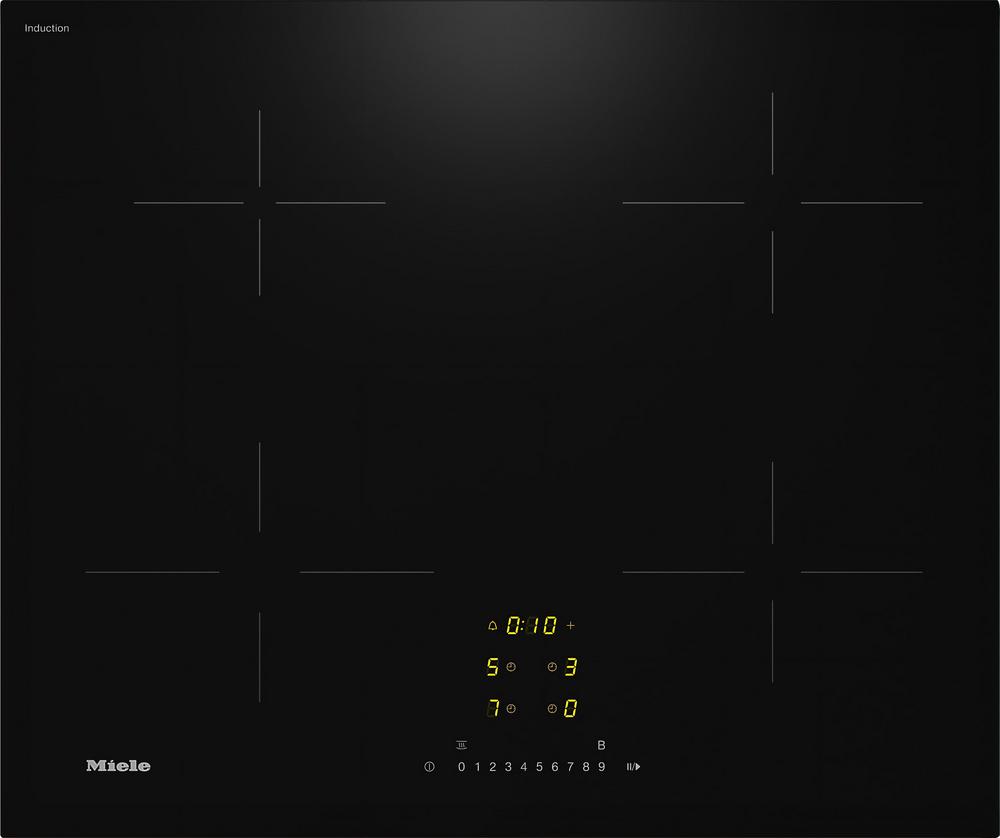
Switching to an induction hob is one of the biggest upgrades you can make to your kitchen. It’s faster, safer and more controllable than older electric or gas designs, but choosing the right model can feel like a maze of sizes, zones and acronyms. The AEG IPE64551FB 59cm Induction Hob is a compact, premium option that fits a standard 60cm cut-out while still promising modern features and a sleek, black-glass finish.
In this guide we’ll look at what to think about before buying a 60cm induction hob, how the AEG IPE64551FB fits into a modern kitchen, and a few excellent alternatives like the NEFF N70 T58FHW1L0 80cm Induction Hob, Bosch Serie 6 PIV831HB1E 80cm Induction Hob and Smeg Victoria options if you’re tempted by more space or a different look.
Why choose a 59cm induction hob like the AEG IPE64551FB?
A 59cm induction hob is designed to slip neatly into the place where a traditional 60cm hob would sit. That makes the AEG IPE64551FB a strong candidate if you’re replacing an older electric or gas model without reconfiguring your worktop. It’s ideal for flats, smaller kitchens or renovators who want modern performance without a full redesign.
With a strong user rating from customer reviews, the AEG model clearly hits the mark for many households. If you’d like a detailed, hands-on breakdown of features and day-to-day use, you can read our full review of the AEG IPE64551FB 59cm Induction Hob once you’ve explored this broader buying guide.
Key benefits of moving to induction cooking
Before honing in on specific hobs, it’s worth understanding what makes induction different to ceramic or gas. Almost every modern model, including the AEG IPE64551FB, shares these core advantages:
- Speed: Induction can bring a pan of water to the boil significantly faster than most ceramic or gas hobs.
- Precision: Power steps are fine-grained, so it’s easy to move from a strong boil to a gentle simmer without guessing.
- Efficiency: Energy goes straight into the pan rather than heating the glass surface, helping to cut waste.
- Safety: The glass around the pan stays cooler, and most hobs have automatic shut-off and child lock features.
- Easy cleaning: The flat glass surface with touch controls wipes clean quickly; spills are less likely to bake on.
If you’re stepping up from an older ceramic hob, the AEG IPE64551FB will feel familiar in layout but noticeably faster and easier to keep spotless.
What to look for in a 60cm induction hob
Within the 60cm category, hobs vary more than you might expect. When considering a model like the AEG IPE64551FB, keep these elements in mind:
- Number and size of zones: Most 59–60cm hobs offer four zones, but check for at least one larger zone for stockpots or frying pans.
- Power boost: A dedicated boost setting is handy for quickly boiling water or searing.
- Flexible cooking areas: Some models allow you to link or bridge zones for griddles and large pans.
- Controls: Front touch sliders, individual zone controls and clear displays make daily use much simpler.
- Safety: Look for pan detection, residual heat indicators, timers and child locks.
- Integration: Check the cut-out size and ventilation requirements, particularly if you’re installing above an oven.
The AEG IPE64551FB sits in a sweet spot for everyday home cooking, offering a compact footprint and modern control layout. To see exactly how its zone configuration and interface are arranged, you can dive into our in-depth AEG IPE64551FB hob review.
Size matters: when to step up to an 80cm hob
Not everyone will be satisfied with a 59cm hob, particularly keen cooks and families who love entertaining. If you have the worktop space and budget, an 80cm induction hob can feel much more luxurious to use.
The NEFF N70 T58FHW1L0 80cm Induction Hob is a great example of what a larger platform can offer. You gain extra room between pans, plus advanced features aimed at serious home chefs. Likewise, the Bosch Serie 6 PIV831HB1E 80cm Induction Hob brings the brand’s familiar blend of practicality and refinement to a spacious layout.
Choose an 80cm hob if you often cook with wide frying pans, large woks or big casserole dishes, or if your kitchen layout simply feels better proportioned with a broader hob. If your space is tighter or your cooking is more everyday than elaborate, the AEG IPE64551FB’s compact size will likely feel more than adequate.
Style choices: modern black glass vs classic design
Most induction hobs, including the AEG IPE64551FB, opt for a flat black-glass design that blends into contemporary kitchens. It pairs well with dark worktops and integrated appliances, creating a minimal, seamless look.
If your kitchen leans more traditional or you’re inspired by range-cooker styling, a standard black-glass hob might not be your first choice. That’s where alternatives like the Smeg Victoria SI964NM 60cm Induction Hob and the cream-coloured Smeg Victoria SI964PM 60cm Induction Hob come in. They combine induction technology with more characterful styling, especially the cream finish, which looks at home in classic or country kitchens.
Think about how your hob will sit alongside your oven, splashback and worktop. If you want the hob to disappear into a sleek, handleless run of units, the AEG’s black, modern look is ideal. If you’d rather make a feature of it, the Smeg Victoria range is worth a closer look.
Practical tips for living with a compact induction hob
A 59cm hob naturally has more limited real estate than an 80cm model, but with a little planning you can get the best from the AEG IPE64551FB or any similar-sized appliance.
- Plan pan sizes: Try to avoid using more than one oversized pan at a time. A large frying pan plus a medium saucepan and a small pot usually works better than four big pans fighting for space.
- Use lids: Induction is efficient, but lids still speed up boiling and reduce steam and splashes on the glass.
- Stagger cooking: If you’re preparing a big meal, cook make-ahead sauces or side dishes first, then reheat them gently while you focus on mains.
- Keep the surface clear: Because touch controls are built into the glass, avoid resting spoons, jars or chopping boards on the hob, even when it’s off.
Hobs like the AEG IPE64551FB are designed for everyday cooking rather than catering-scale feasts, but with these habits you’ll be surprised how much you can produce on a four-zone, 59cm surface.
Energy use and running costs
Induction hobs are often chosen for their efficiency as much as their performance. Because energy is directed into the pan via a magnetic field, rather than heating the air or the whole glass surface, less power is wasted. This means:
- Faster heat-up times.
- More precise temperature control.
- Better use of the electricity you pay for.
In real-world terms, you’ll likely notice that water boils faster and food reaches cooking temperature more quickly, so zones stay on high settings for shorter bursts. The AEG IPE64551FB, like its NEFF, Bosch and Smeg counterparts, benefits from this fundamental efficiency of induction technology.
Cleaning and caring for a black-glass induction hob
One of the everyday pleasures of living with a hob such as the AEG IPE64551FB is how easy it is to keep clean. There are no raised burners or grates to dismantle; instead you have a smooth, flat piece of glass.
- Daily wipe-down: Once the residual heat indicator shows the zone is cool, use a soft cloth or sponge with a little washing-up liquid to remove light marks.
- Tackling stubborn spots: For dried-on spills, a dedicated glass-ceramic hob cleaner and a non-scratch pad work well.
- Avoid abrasives: Steer clear of scouring pads and gritty cleaners that can leave fine scratches over time.
- Lift, don’t slide: Try to lift heavy pans rather than dragging them across the glass to reduce the risk of marks.
These tips apply equally to premium alternatives like the NEFF N70 and Bosch Serie 6 models, as well as the Smeg Victoria range – the underlying glass is similar even if the styling differs.
Installation: what to check before you buy
Whether you opt for the AEG IPE64551FB or a larger 80cm hob, getting installation right is crucial for both safety and performance. Always check:
- Cut-out size: Measure your existing hob opening and compare it to the manufacturer’s dimensions.
- Worktop material: Ensure your surface can support the cut-out and any required ventilation gaps.
- Power supply: Induction hobs typically require a dedicated circuit and must be connected by a qualified electrician.
- Oven compatibility: If fitting above a built-in oven, confirm that the combined installation meets both appliances’ clearance and ventilation rules.
Compact models like the AEG IPE64551FB are designed with standard kitchen layouts in mind, making replacement straightforward in most modern homes. Larger 80cm hobs may require more generous clearances, so check carefully before ordering.
How the AEG IPE64551FB compares with popular alternatives
To help you position the AEG IPE64551FB among other strong options, here’s a quick comparison of where each alternative shines:
- AEG IPE64551FB 59cm Induction Hob: Compact, modern and well-rated, ideal for standard 60cm slots and everyday cooking. Best suited to those who want efficient induction power without changing their kitchen layout.
- NEFF N70 T58FHW1L0 80cm Induction Hob: A larger, premium option with plenty of space between zones, particularly attractive to keen home cooks upgrading to a wider hob.
- Bosch Serie 6 PIV831HB1E 80cm Induction Hob: Another 80cm model, blending everyday practicality with a refined feel, great for open-plan kitchens where the hob is on show.
- Smeg Victoria SI964NM 60cm Induction Hob: A 60cm hob with a more characterful, traditional design in black, perfect if you want induction technology without a purely minimalist look.
- Smeg Victoria SI964PM 60cm Induction Hob: The cream variant that stands out in classic or farmhouse-style kitchens while still fitting a standard 60cm cut-out.
Your choice comes down to a blend of size, style and how you cook. If you’re happy with a 60cm footprint and prefer a clean, modern aesthetic, the AEG IPE64551FB is a very strong contender. If you want either more space or more vintage charm, the NEFF, Bosch and Smeg alternatives are well worth exploring.
Final thoughts: choosing the right induction hob for your kitchen
Upgrading to induction is a decision most people don’t regret. It’s faster, safer and easier to live with than older hob designs, and compact models like the AEG IPE64551FB 59cm Induction Hob make the transition simple for standard kitchens.
If you’re leaning towards this AEG model, take the time to read our full review of the AEG IPE64551FB for a closer look at its controls, features and real-world performance. And if you’re still weighing up your options, the detailed reviews of the NEFF N70, Bosch Serie 6 and Smeg Victoria hobs linked throughout this guide will help you decide which size, style and feature set best fits your home.
Whichever way you go, investing in a well-chosen induction hob is a smart step towards a more efficient, enjoyable and future-proof kitchen.