
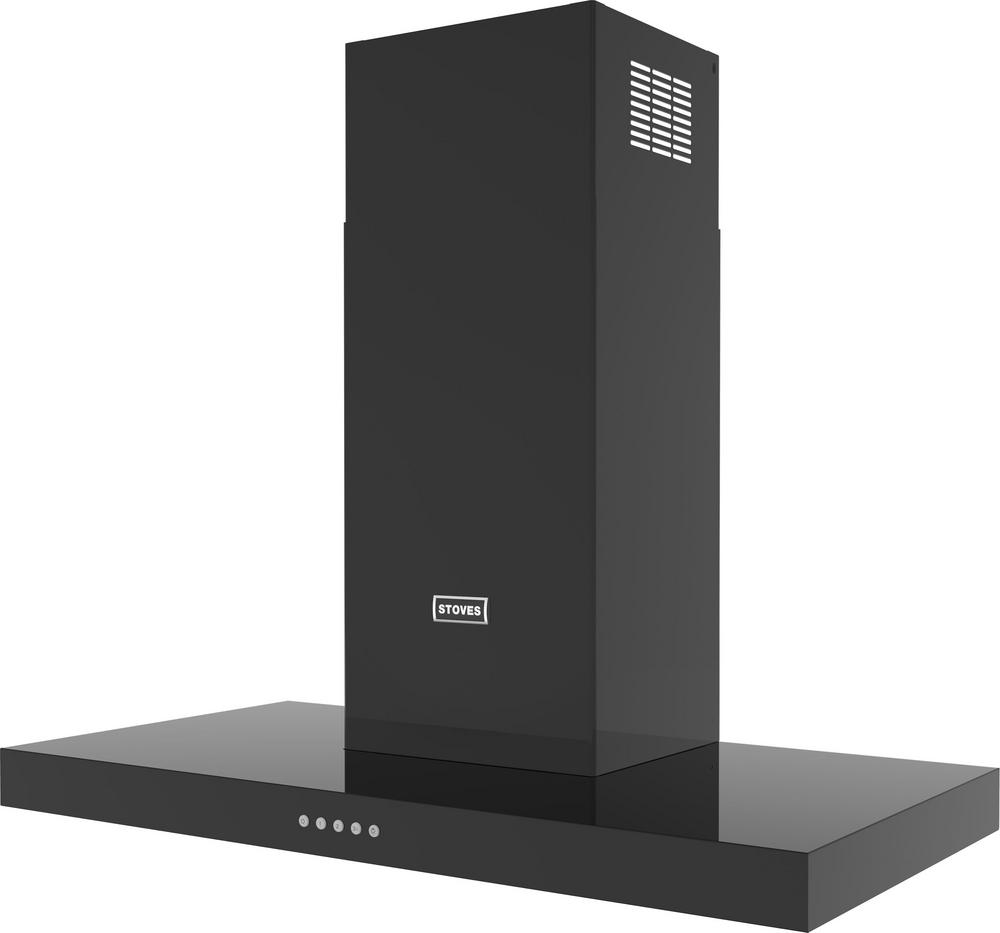
If you’ve invested in a 110cm range cooker, a matching chimney hood is almost essential to keep your kitchen fresh and steam-free. The Stoves Sterling Chim 110T 110cm Chimney Cooker Hood in black is a popular choice for larger cookers, and it’s a useful example of what to look for when you’re choosing a hood for a busy family kitchen. In this guide, we’ll walk through the key decisions to make, with the Sterling Chim 110T as a reference point, and compare it with a few similar 90–110cm hoods that might suit different styles, budgets and features.
Why a 110cm chimney cooker hood suits big range cookers
A large range cooker can turn out a Sunday roast, a tray of roast veg and a bubbling gravy all at once – but that also means a lot of steam, smoke and cooking smells. A 110cm chimney cooker hood is designed to sit neatly over these wider cookers and capture as much of that air as possible before it drifts into the rest of your home.
The Stoves Sterling Chim 110T is a classic example of a wide chimney hood built with range cookers in mind. If you want the detailed breakdown of its performance, features and day-to-day usability, you can read our full review of the Stoves Sterling Chim 110T 110cm Chimney Cooker Hood. Here, we’ll focus on how a hood like this fits into your kitchen and what to think about before you buy.
Getting the size and fit right
The first decision for any cooker hood is size. As a rule, the hood should be at least as wide as your hob or range. That’s why 110cm hoods, such as the Sterling Chim 110T, are a natural partner for 110cm ranges: they give you full coverage from edge to edge.
If you’ve got a slightly smaller setup, you might be better off aiming for a 90cm or 100cm hood. For instance, the Stoves Sterling Chim 90T 90cm Chimney Cooker Hood offers a similar look in a more compact width, which suits 90cm range cookers and larger standard hobs. Likewise, the Stoves Sterling 90PYR Pyramid 90cm Chimney Cooker Hood takes the same footprint but with a pyramid-style canopy for a different visual feel.
Before you fall in love with a particular model, check:
- The hood width against your hob or range measurements.
- The ceiling height in your kitchen and how low the hood can be installed.
- Whether you can run ducting to an outside wall or will need to recirculate.
This planning ensures a 110cm hood like the Sterling Chim 110T won’t overpower the room or end up installed too high to be effective.
Chimney vs pyramid: choosing a style that suits your kitchen
Once you’ve settled on width, it’s time to think about style. Chimney cooker hoods come in a few main shapes, and they can change the whole character of your kitchen.
Flat and box-style chimneys
The Sterling Chim 110T goes for a crisp, modern look that works especially well in contemporary kitchens with handleless cabinets or sleek gloss finishes. Its flat canopy and bold black finish make it a natural match for black range cookers and dark worktops. If you like this design but don’t need 110cm width, the Sterling Chim 90T gives you a similar feel in stainless steel and a narrower width.
Pyramid-style chimneys
If you’re leaning towards a more classic, country or shaker-style kitchen, a pyramid hood can look softer and more traditional. The Stoves Richmond 110PYR Pyramid 110cm Chimney Cooker Hood in cream is a good example: it has a gentler silhouette and a warmer colour that sits nicely above range cookers in heritage colours. For smaller spaces, the Sterling 90PYR Pyramid 90cm Chimney Cooker Hood offers a similar pyramid shape in a black finish.
In most cases, style is about personal preference and how the hood ties into your cabinets, splashback and appliances. Performance differences between flat and pyramid designs are usually down to the motor and filters rather than the exterior shape.
Extraction, recirculation and what really matters day to day
The main job of any cooker hood is to deal with steam and smells. There are two basic ways they do this:
- Ducted extraction – air is pulled through grease filters, then vented outside.
- Recirculating – air is drawn through grease filters and carbon filters, then released back into the room.
A 110cm chimney hood like the Sterling Chim 110T is typically designed to handle more intense cooking, from griddling steaks to deep frying, so it’s worth planning for ducted extraction if your kitchen layout allows. This tends to remove moisture more effectively, stopping condensation on windows and cupboards.
If external ducting isn’t an option, don’t worry – most chimney hoods can still work well in recirculating mode. Just make sure you:
- Fit the correct carbon filters specified for your model.
- Clean the metal grease filters regularly.
- Replace the carbon filters when they start to lose their effectiveness.
For a deeper dive into how well the Sterling Chim 110T copes with real-world cooking, including its extraction performance and day-to-day noise, you can read our in-depth review of the Stoves Sterling Chim 110T 110cm Chimney Cooker Hood here.
Speed settings, noise and lighting
Beyond the basics, usability is where cooker hoods really differ. Think about how you cook and what matters most to you:
Speed settings
Multiple fan speeds give you control: a quieter, lower setting for simmering sauces and a more powerful boost for searing or wok cooking. Large hoods like the Sterling Chim 110T almost always offer several speeds, which helps balance noise against performance.
Noise levels
No cooker hood is completely silent on full power, especially over a 110cm range, but some are more refined than others. Using the lowest effective speed for your current cooking helps a lot, and running the hood for a few minutes before and after cooking can clear the air without constantly blasting at maximum.
Lighting quality
Good lighting makes a bigger difference than you might think, particularly on a wide range. Look for:
- LED lights rather than old-style bulbs for better efficiency and brightness.
- Even coverage across all burners or zones.
- A comfortable colour tone that matches your kitchen mood lighting.
When comparing alternatives, don’t forget to consider how many lights they have and where they’re positioned – this can vary even between similar models.
Advanced features: is Wi-Fi worth it on a cooker hood?
Some newer hoods now come with smart features. If you like the Sterling range but want something more high-tech, the Stoves Sterling Chim 100T Wifi Connected 100cm Chimney Cooker Hood shows where things are heading. It’s a slightly narrower hood, but it adds connectivity features such as app control and potential links with other smart appliances, depending on the ecosystem.
Ask yourself whether you’d actually use these extras. Wi-Fi might be helpful if:
- You like to automate your kitchen lighting.
- You want to control the fan from your phone while you’re in another room.
- You already have a smart home setup and want everything to work together.
If you prefer straightforward, manual controls, a more traditional hood like the Sterling Chim 110T may be a better fit – you get the key functions without paying for features you won’t use.
Black, stainless, or cream? Matching your hood to your kitchen
Colour is about more than looks – it also affects how much maintenance your hood needs to stay presentable. The black finish on the Sterling Chim 110T can be excellent for hiding minor marks and tying in with black glass ovens and hobs, while stainless steel tends to suit more neutral or industrial-style schemes.
Meanwhile, a cream hood like the Richmond 110PYR can soften the look of a kitchen with wooden worktops and painted cabinets. Think about:
- Other appliances: do you want everything to match or to contrast?
- Natural light: darker finishes can look dramatic but may feel heavy in small, dim rooms.
- Cleaning habits: shiny stainless and gloss black can show fingerprints more easily.
If you’re torn, consider how permanent the hood will be. Cookers and hoods often stay in place for many years, so it’s worth choosing a finish you’ll still like if you update your cabinet doors or worktops later on.
Planning the installation safely
Chimney cooker hoods are not usually a DIY job unless you’re very experienced with electrics and drilling into walls or ceilings. For a 110cm hood, safe installation is even more important because of the weight and the size of the canopy.
When planning installation, check:
- The recommended minimum distance above your hob or range.
- What type of wall fixings you need for your construction (brick, block or stud wall).
- Where the power supply will come from and whether you need a fused spur.
- The route for any ducting and the size of ducting required by the manufacturer.
Using a professional installer can help avoid problems like a wobbly chimney section, rattling noise, or poor extraction because of badly routed ducting.
Keeping your cooker hood clean and efficient
Large hoods above range cookers do a lot of work, so routine care is important. A hood like the Sterling Chim 110T is no different – look after it properly and it will keep performing well for years.
Regular tasks
- Wipe down the exterior with a soft cloth and a mild detergent to stop grease building up on the canopy and chimney.
- Clean the metal grease filters about once a month if you cook regularly. Many modern filters can go in the dishwasher – check your manual.
- Replace carbon filters (if recirculating) every few months or according to the manufacturer’s guidance.
Keeping filters clean doesn’t just improve airflow; it also reduces odours and helps the motor work less hard, which can keep noise levels down and potentially extend the life of the hood.
Which hood suits you: a quick comparison of good options
If you’re still weighing up your choices, here’s how the models we’ve mentioned naturally fall into different niches:
- Modern, wide and bold: The Stoves Sterling Chim 110T 110cm Chimney Cooker Hood in black is an obvious partner for 110cm ranges in a contemporary kitchen. For more detail on how it performs and what owners think, see our full review of the Sterling Chim 110T.
- Similar look, smaller space: The Stoves Sterling Chim 90T suits 90cm ranges or big standard hobs and comes in stainless steel for a more neutral finish.
- Classic country style at 110cm: The Richmond 110PYR Pyramid 110cm Chimney Cooker Hood in cream offers a softer, more traditional look over a large range.
- Compact pyramid in black: The Sterling 90PYR Pyramid 90cm Chimney Cooker Hood keeps the characterful pyramid shape but in a smaller width and darker finish.
- Smart and connected: If you’re interested in Wi-Fi control and smart features, the Sterling Chim 100T Wifi Connected 100cm Chimney Cooker Hood is worth a look as a more tech-forward alternative, provided 100cm is wide enough for your setup.
Thinking about your kitchen layout, cooking style and design preferences will quickly point you towards one or two models that make the most sense.
Final thoughts
A 110cm chimney cooker hood can transform how comfortable your kitchen feels, especially if you love using every burner on your range. The Stoves Sterling Chim 110T shows what a modern, wide hood can offer in terms of coverage and style, but it’s just one option in a broader landscape of 90–110cm chimneys, pyramid designs and smart-connected models.
Take a little time to measure your space, decide on ducted versus recirculating, and think about the look you want to live with for the next decade. Then explore the in-depth reviews linked throughout this guide to weigh up real-world performance and owner feedback before you commit.