
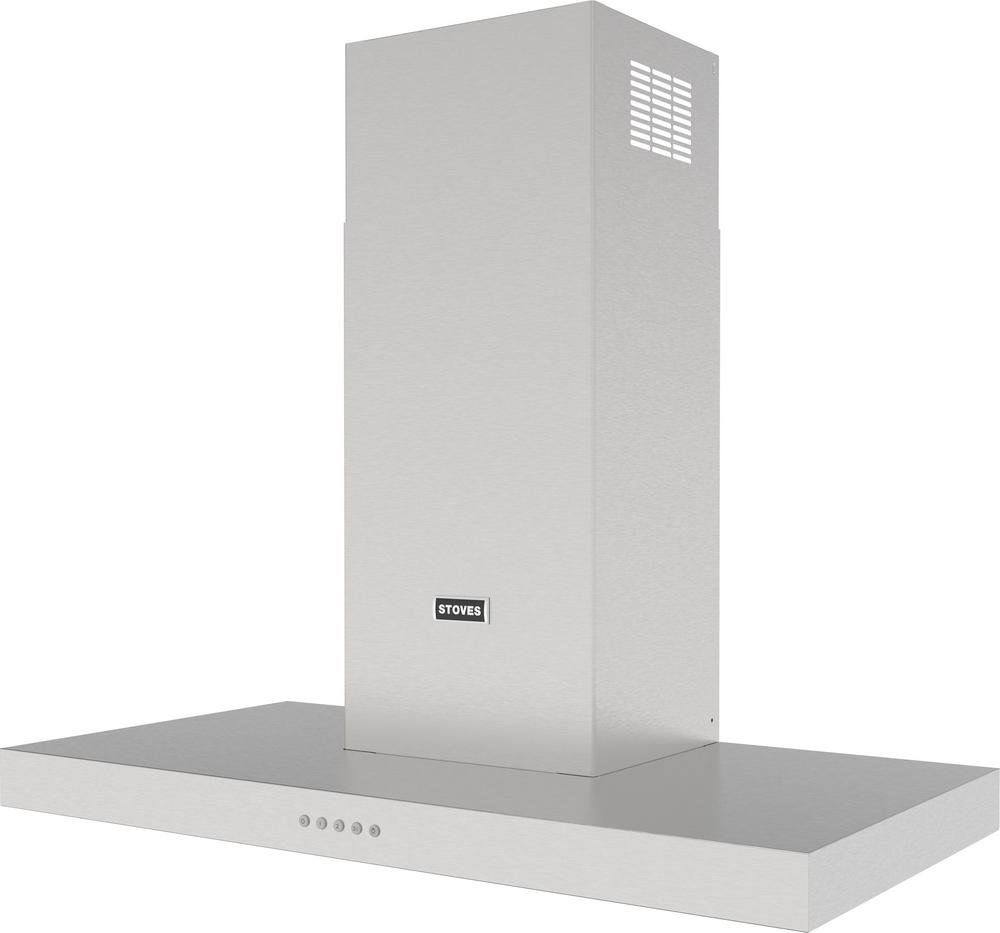
If you’ve invested in a wide range cooker, a slim little hood simply isn’t going to keep up. A 110cm chimney cooker hood like the Stoves Sterling Chim 110T is designed to sit proudly above a big cooker, clearing steam, grease and smells before they drift through the rest of your home. But how do you know whether a 110cm hood is right for your kitchen, how it compares with slightly smaller or more premium options, and what to look out for beyond the headline width?
In this guide we’ll walk through the key things to consider when choosing and living with a large chimney cooker hood, using the Stoves Sterling Chim 110T as a practical example. If you want in-depth thoughts on performance and day-to-day use, you can always read our full review of the Stoves Sterling Chim 110T 110cm Chimney Cooker Hood once you’ve got a feel for what you need.
What a 110cm chimney cooker hood is designed for
A 110cm hood is a specialist bit of kit aimed squarely at owners of wide range cookers or extra-wide hobs. The idea is simple: the hood should cover at least the width of your cooking surface so that rising steam and smoke are captured effectively.
The Stoves Sterling Chim 110T, for example, is built to sit above a 110cm cooker. That makes it a natural match for traditional range-style cookers or large, five- or six-burner hobs where you might have several pans going at once. If your cooker is narrower, something like the Stoves Sterling Chim 100T 100cm Chimney Cooker Hood may be a better fit visually while still offering broad coverage.
Going too wide for your hob can look a little overbearing in a compact kitchen, so it’s worth matching the hood size closely to the cooker. That said, leaning slightly on the wider side is usually better than having a hood that’s too narrow, especially if your hob has burners or zones near the edges.
Getting the right look: style and finish
Cooker hoods are a big visual statement, especially when they’re 110cm wide. The Stoves Sterling Chim 110T comes in black, which works well with darker range cookers and modern, dramatic kitchen schemes. A black hood also tends to blend nicely against darker splashbacks or tiled feature walls.
If you prefer classic or retro styling, there are other takes on the chimney hood. The Smeg Victoria KT90BLE 90cm Chimney Cooker Hood offers a more traditional, vintage-inspired look in black, while the Smeg Victoria KT90GRE 90cm Chimney Cooker Hood brings a softer grey finish that can suit lighter, heritage-style kitchens.
For a sleeker, stainless-steel aesthetic, especially in a more contemporary room, the NEFF N70 D95BMP5N0B 90cm Chimney Cooker Hood presents a clean, understated option. These finishes all do the same basic job, so the choice comes down to whether you want the hood to stand out as a design feature or sit quietly in the background.
Width vs. space: measuring up for a big hood
Before you fall in love with any 110cm cooker hood, it’s important to make sure your kitchen can actually accommodate it comfortably. There are three key measurements to think about:
- Width: Check that there’s enough horizontal wall space above your cooker, allowing for wall units or windows. The hood should not be jammed up against cupboards unless it’s specifically designed for that.
- Height: Manufacturers give a safe minimum height above gas and electric hobs. Make sure your ceiling height and any chimney section will allow this, especially in older properties or where there is a low bulkhead.
- Depth: The hood needs to project far enough to catch steam from front burners without overhanging uncomfortably into the room.
The Stoves Sterling Chim 110T is a traditional chimney format, so you’ll usually mount it on the wall above the cooker with the flue extending up towards the ceiling. Planning where the ducting will run (if you’re venting outside) is just as important as the visible part; awkward bends or long runs can reduce performance.
Extraction power: matching the hood to your kitchen
Although we don’t have a detailed spec sheet here, large hoods like the Stoves Sterling Chim 110T are typically designed with higher extraction rates to suit big cookers. The key question is whether the extraction rate is appropriate for your kitchen size and cooking habits.
For regular family cooking with occasional heavy frying, a mid-range hood set up correctly should be more than adequate. In a large, open-plan space or if you do a lot of wok cooking, deep-frying or griddling, you’ll really appreciate a stronger motor and an intensive or boost mode.
Models like the NEFF N70 D95BMP5N0B are often pitched as more premium options, pairing power with modern features. If you’re trying to decide between several similar hoods, pay attention to both the quoted maximum extraction rate and the noise levels at typical speeds, then weigh these against your budget.
Ducted vs recirculating: choosing the right setup
Most chimney cooker hoods, including the Stoves Sterling Chim 110T, can be installed either ducted to an external wall or set up to recirculate air back into the room through charcoal filters. Each approach has pros and cons:
- Ducted extraction: Best for removing moisture and cooking odours efficiently. It keeps the kitchen fresher, particularly important in open-plan layouts. The trade-off is the extra work and cost of running ducting to an outside wall or roof.
- Recirculating mode: Easier to install, especially if the cooker is on an internal wall. Carbon filters help trap smells, but moisture still stays in the room, so good background ventilation is important.
If you host a lot of dinner parties or regularly cook strongly scented dishes, prioritising a ducted setup where possible will give the best overall experience, regardless of whether you go for the Stoves Sterling Chim 110T or a 90cm alternative like the Smeg Victoria or NEFF N70 models.
Living with a large chimney hood day to day
A cooker hood is one of those appliances that you barely notice when it just gets on with the job. The way it’s designed, however, can make a big difference to how easy it is to live with. When you look at a hood like the Stoves Sterling Chim 110T, consider the following:
- Control layout: Are the buttons or touch controls easy to reach and use when you’re standing in front of a hot hob?
- Lighting: Good, bright lighting over the hob area is essential. Look for models with well-placed bulbs that illuminate the whole cooking surface, not just the back.
- Filter access: The easier it is to pop out the metal filters for cleaning, the more likely you are to keep on top of maintenance.
Owners of larger hoods often comment on how much calmer the kitchen feels when the extraction is up to the task. With a 110cm hood, you can expect better coverage across the full width of a big hob than you’d get from a smaller canopy or visor hood.
To understand exactly how the Stoves Sterling Chim 110T behaves in real homes, you can read our full review of the Stoves Sterling Chim 110T, where we dig into user feedback and long-term impressions.
Choosing between 110cm and 90‑100cm alternatives
It’s worth being honest about whether you need a 110cm hood, or whether a slightly smaller model would do the job just as well. Here’s how the options in this group stack up conceptually:
- 110cm, black, matching range: The Stoves Sterling Chim 110T is a strong match for a 110cm range cooker, especially in a darker or more modern kitchen.
- 100cm, same family, slightly smaller: The Stoves Sterling Chim 100T 100cm Chimney Cooker Hood suits 90–100cm cookers or where wall space is a bit tighter but you still want the Stoves Sterling styling.
- 90cm, heritage style: The Smeg Victoria KT90BLE 90cm and Smeg Victoria KT90GRE 90cm are ideal if your cooker is 90cm wide and you’re going for a more traditional look.
- 90cm, premium stainless steel: The NEFF N70 D95BMP5N0B 90cm will appeal if you want a sleek, stainless-steel finish and are prepared to pay a bit more for a premium brand feel.
If your cooker is 90cm wide, there’s usually no need to stretch up to a 110cm hood unless you’re deliberately creating a statement feature. On the other hand, if you have a full 110cm range, stepping down to a 90cm hood can look undersized and may not catch steam as effectively from the outer burners.
Noise levels and comfort in open-plan kitchens
Noise is a big factor when choosing any cooker hood. Larger hoods with more powerful motors can be noisy at full blast, but in everyday use you’ll probably sit somewhere in the middle of the speed range. When assessing noise, keep these points in mind:
- Most of the time: Normal cooking rarely calls for maximum power continuously. A steady medium speed is usually enough if you turn the hood on as you start cooking.
- Boost modes: These are great for smoky searing or when you’ve got several pans bubbling away, but they’re designed for short bursts.
- Installation matters: Straight, smooth duct runs and correct venting can make the hood quieter and more effective.
In an open-plan space where the kitchen blends into the living area, it can be worth stretching the budget for a model known for quieter operation, such as some of the more premium 90cm hoods. Balancing power and noise is just as important as picking the right width.
Cleaning and maintenance: keeping performance up
No matter which cooker hood you choose, it will only work properly if you look after it. The main tasks are simple but easy to forget:
- Grease filters: Most chimney hoods use metal mesh filters that can be washed by hand in warm soapy water. Aim to clean these every few weeks, more often if you cook a lot of fried food.
- Carbon filters (recirculating setups): These need replacing periodically as they become saturated with odours. Check the manufacturer’s guidance for typical intervals.
- Exterior surfaces: Wipe down the hood body and chimney with a suitable cleaner to prevent grease build-up and keep it looking smart.
Hoods like the Stoves Sterling Chim 110T are designed with removable filters to make this easier. The same is true for the various 90cm alternatives, whether you go for a black, grey or stainless-steel finish. Regular maintenance helps keep extraction performance strong and can even help reduce noise, as the motor doesn’t have to work as hard to pull air through clogged filters.
Budgeting and value for money
When you compare wide chimney cooker hoods, you’ll notice a broad spread of prices. The Stoves Sterling Chim 110T and its 100cm sibling tend to sit in a mid-range sweet spot for their size and styling. Options like the Smeg Victoria and NEFF N70 hoods usually carry a price premium, driven by their brand positioning, design and feature sets.
Instead of focusing solely on the ticket price, think about how long you expect to keep the hood. These are not appliances you replace often, so paying a little more for a design you love looking at every day, or for a quieter motor that keeps an open-plan space comfortable, can be money well spent over a decade or more of use.
Putting it all together
Choosing a large chimney cooker hood is about more than just matching the width of your cooker. You’ll want to balance coverage, extraction power, noise, style, and installation practicalities so that the hood you pick feels like a natural part of your kitchen rather than an afterthought.
If you’ve got a 110cm range and like the idea of a bold black hood with a coordinated look, the Stoves Sterling Chim 110T is a strong contender. For 90–100cm cookers or different design tastes, alternatives like the Stoves Sterling Chim 100T, the Smeg Victoria models or the NEFF N70 offer plenty of choice on style and finish.
Once you’ve narrowed down the size and look that suit your kitchen, it’s worth diving into more detailed insights on noise, real-world performance and user feedback. You can do that by exploring our in-depth reviews, starting with the full review of the Stoves Sterling Chim 110T 110cm Chimney Cooker Hood and then checking the linked alternatives to find the hood that feels just right for your home.