
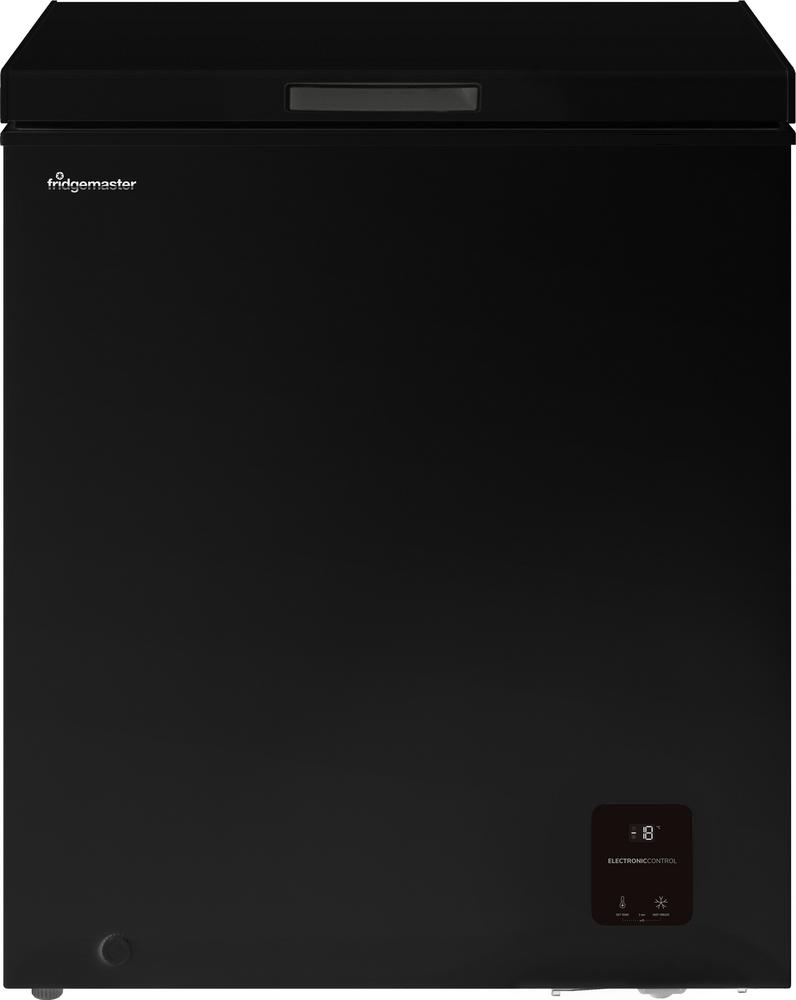
Chest freezers are one of those unglamorous appliances that quietly transform how you shop, cook and store food. If you’re eyeing up models like the Fridgemaster MCF198E chest freezer, you’re probably looking for extra frozen space without spending a fortune, whether that’s for a busy family kitchen or an overflow freezer in the garage.
Why consider the Fridgemaster MCF198E chest freezer?
The Fridgemaster MCF198E is a mid-sized chest freezer that sits in a sweet spot for many UK homes: big enough to handle bulk buys and batch cooking, compact enough not to take over half the garage. It’s E rated on the modern efficiency scale, which is pretty typical for a budget-friendly chest freezer, and it has an excellent reputation with owners, holding a very strong average rating from well over two thousand reviews.
If you want a deep dive into real-world performance, build quality and running costs, it’s worth reading our full review of the Fridgemaster MCF198E chest freezer. Here, we’ll focus on helping you decide whether this type of freezer is right for you, how to choose the best size, and which alternatives are worth a look if your needs are slightly different.
Choosing the right size chest freezer
Getting the capacity right is the single biggest decision when buying a chest freezer. Too small and you’ll still be playing freezer Tetris every week; too large and you’ll waste energy cooling a half-empty box.
What kind of household suits the MCF198E?
The MCF198E sits around the 200-litre mark, which generally suits:
- Families of three to five who like to batch cook and freeze leftovers
- Households that bulk-buy meat, bread and frozen veg to save money
- People who want a main chest freezer in the garage plus a smaller freezer in the kitchen
For most average families, this capacity gives you the freedom to stock up when you see a good offer, without feeling like you’re running a walk-in cold store.
When a smaller chest freezer makes more sense
If you love the idea of a chest freezer but don’t need quite so much space, there are some well-matched alternatives. The Fridgemaster MCF145E chest freezer is a slightly smaller model, ideal for modest homes, couples or anyone with limited floor space.
There’s also the very popular Fridgemaster MCF142E chest freezer. It keeps things compact while still offering a useful boost to your freezer capacity, and it’s a good fit if you mostly want to store supermarket frozen food rather than big quantities of bulk meat.
How to judge capacity for your lifestyle
To decide if something like the MCF198E is the right size, think about your habits over a full month rather than a single weekly shop:
- Do you buy large meat packs, whole joints or big frozen party foods?
- Do you batch cook soups, stews or sauces and freeze in containers?
- Is this your only freezer, or extra space alongside an under-counter model?
If you answered “yes” to most of these and you’re a medium or large household, the MCF198E type of capacity will probably feel about right. If you rarely freeze anything more than the odd pizza and chips, one of the smaller models mentioned above may be more sensible and cheaper to run.
Chest freezer vs under counter freezer
Not everyone has room for a chest freezer, and some prefer the simplicity of freezer drawers. That’s where under counter models come in, especially narrow ones that can slot into small kitchens or utility rooms.
When to consider a narrow under counter freezer instead
For tighter spaces, a model like the Fridgemaster MUZ4860EB narrow under counter freezer is worth considering. It offers drawer-style storage in a compact width, making it much easier to fit into a small kitchen, bedsit or flat than a traditional chest freezer.
Compared with a chest freezer such as the MCF198E, an under counter freezer typically has:
- Less overall capacity
- More organised storage thanks to pull-out drawers
- A more familiar, upright form factor that’s kinder on your back
If you’ve got a garage or spare corner in a utility room, a chest freezer is usually the best value for raw storage space. But if you’re working around existing cupboards and appliances in a small kitchen, a narrow under counter model can be a more practical solution.
Thinking about colour and placement: white vs black freezers
Most people default to white when they think about freezers, but darker appliances are increasingly popular, especially in open-plan kitchens and smart garage or utility setups.
If you like the idea of a darker finish, take a look at the Fridgemaster MCF96EB chest freezer. It’s a smaller-capacity chest freezer in a black finish that can blend more neatly into a modern scheme or disappear against darker walls in a converted garage. While it won’t hold as much as the MCF198E, it’s a neat choice for smaller households or for use as a secondary freezer for treats and extras.
As for placement, always allow a bit of space around your freezer for airflow and easy access to the controls. Measure up carefully, including doorways and tight corners, to make sure it can be delivered and installed without drama.
Energy ratings and running costs explained
The Fridgemaster MCF198E carries an E energy rating on the current label system. It’s important to remember that the rating scale was tightened a few years ago, so an E today doesn’t mean inefficient in the way an E did on the old labels. Many affordable freezers now fall between D and F under the new rules.
What really affects your freezer’s electricity use
Beyond the sticker on the front, several everyday choices have a big impact on running costs:
- How full it is: A reasonably full chest freezer holds its temperature more easily than a half-empty one.
- How often you open it: Constantly lifting the lid lets warm air in, making it work harder.
- The room temperature: A freezer in a warm kitchen or uninsulated outbuilding will use more energy.
- Ice build-up: Thick frost acts like a blanket and makes it less efficient.
If you’re particularly conscious about bills, choosing an appropriate capacity like the MCF198E (rather than going much larger “just in case”) is one of the easiest ways to avoid wasting energy.
Organising a chest freezer so nothing gets lost
One of the most common complaints about chest freezers is that things vanish into the depths and reappear looking very frosty years later. A bit of simple organisation can stop that happening.
Use baskets and containers
The MCF198E, like many chest freezers, is typically supplied with at least one wire basket near the top. Treat that as your “high traffic” zone for everyday items: bread, frozen veg, chips, ice cream and anything you reach for regularly.
For the space underneath, add your own plastic baskets or tubs to divide it into zones, for example:
- Raw meat and fish
- Batch-cooked meals
- Baked goods and desserts
- Party food and odd bits
Clear containers are ideal so you can see what’s inside at a glance.
Label everything and keep a simple inventory
It’s worth labelling containers with freezer-safe labels or a piece of masking tape and a marker pen. Include both what it is and when you froze it. This makes it easy to rotate older items to the top and avoid mystery tubs.
A quick inventory list stuck to the freezer lid or nearby wall helps massively. You don’t need anything fancy – a basic list of categories and quantities you update every couple of weeks will remind you to use what you’ve got before buying more.
Practical tips for installing and using a chest freezer
Once you’ve decided on a model such as the Fridgemaster MCF198E, there are a few simple setup and usage tips that can help it run smoothly for years.
Give it time to settle before switching on
After delivery, it’s a good idea to let the freezer stand upright for a few hours before turning it on, especially if it has been transported on its side. This allows the refrigerant to settle. Check the instructions for the specific model, as guidance can vary slightly.
Leave space around it for airflow
Make sure there’s a little clearance around the sides and back so warm air can escape from the coils. Pushing a freezer tight against the wall or stacking items directly around it can make it run hotter and use more electricity.
Load it gradually rather than all at once
When you first stock your new chest freezer, try not to overload it with room-temperature food in one go. Adding a huge shop all at once makes it work overtime to pull the temperature down. Start with a mixture of already frozen items and a smaller batch of fresh food, building up over a few days if you can.
Defrosting and cleaning: keeping performance up
Many budget-friendly chest freezers are manual defrost models. That means you’ll need to defrost them occasionally to keep ice from building up and eating into your storage space.
How to defrost a chest freezer safely
Plan defrosting for a cool day when your frozen stocks are low. Move food into cool boxes or borrow space in another freezer if possible. Switch the freezer off at the mains, prop the lid open and place towels around the base to catch drips.
Never chip away at ice with knives or screwdrivers, as you could easily damage the inner lining or pipework. Instead, let the ice melt naturally or use bowls of hot (not boiling) water inside the empty freezer to speed things up. Once the ice is gone, wipe everything dry before switching back on and reloading.
Comparing Fridgemaster freezers: which one suits you?
One of the advantages of looking at a range like this is that you can often find several models that share a similar feel and control layout, but in different sizes and formats.
- Need maximum everyday capacity? The MCF198E style of freezer is well suited to busy households and bulk shoppers. For detailed impressions of performance and usability, read our full review of the Fridgemaster MCF198E.
- Want something a bit smaller? The Fridgemaster MCF145E and Fridgemaster MCF142E offer more compact footprints while still providing a noticeable boost to freezer space.
- Prefer a darker finish or a secondary freezer? The black Fridgemaster MCF96EB is a tidy choice for smaller households or as an overflow option that looks smart in modern spaces.
- No room for a chest freezer at all? The Fridgemaster MUZ4860EB narrow under counter freezer brings similar brand styling and value into a slim, drawer-based design for compact kitchens.
Thinking about your exact space, habits and storage style will quickly steer you towards the right one of these approaches.
Making the most of a chest freezer long-term
A well-chosen chest freezer becomes part of your routine, not just an emergency overflow box. Once you’ve settled on a model like the MCF198E, you can use it to make everyday life easier:
- Batch cook base sauces, curries and stews so you always have a quick meal to hand
- Freeze sliced bread and rolls so you’re never caught short for lunches
- Keep a stash of frozen veg to cut down on food waste from fresh produce
- Use it to take advantage of supermarket multibuys and yellow-sticker bargains
Over time, the savings from bulk buying and reduced food waste can go a long way towards offsetting the initial price and running costs of the freezer itself.
Conclusion: finding the right freezer for your home
Whether you’re looking at the Fridgemaster MCF198E as your main chest freezer or weighing it up against smaller models and under counter alternatives, the key is to match capacity, layout and placement to your everyday life. Think about how you shop, where the freezer will live and how much you realistically need to store.
If you want to drill into the details before you buy, including owner feedback and real-world impressions, take a few minutes to read our in-depth Fridgemaster MCF198E chest freezer review, and explore the linked reviews of the smaller and under counter options. With the right choice and a bit of smart organisation, a good freezer will quietly earn its keep for many years.