
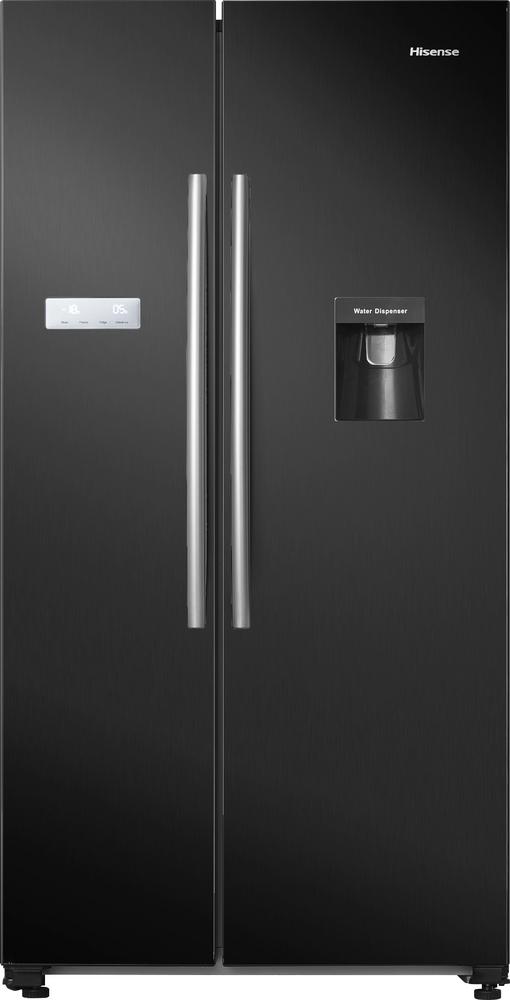
If you are thinking about upgrading to an American-style fridge freezer, it is usually because you want more space, better organisation and a few modern conveniences like chilled water on tap. The Hisense RS741N4WCE Non-Plumbed Total No Frost American Fridge Freezer in stainless steel has become a popular option in the UK, combining a side-by-side layout with an E energy rating and a non-plumbed water dispenser. In this guide, we will look at what this style of appliance offers, how the Hisense model fits into a typical British kitchen, and where alternatives such as the Haier FD 70 Series 5 HFR5719ENMG and Haier HFR5719ENPB might make more sense for you.
Why choose an American fridge freezer for a UK home?
Standard 60 cm fridges can feel cramped once you factor in family food shops, leftovers and batch cooking. American fridge freezers stretch things horizontally, giving you wide storage, better visibility and room for larger items like party platters or big joints of meat.
Side-by-side models like the Hisense RS741N4WCE place the fridge on one side and the freezer on the other, with full-height doors. This design keeps frozen food at a comfortable height, rather than at floor level, and makes it much easier to organise by category. For busy households, it simply means spending less time digging around for ingredients.
On top of space, modern American fridge freezers often add features such as Total No Frost cooling, dedicated fresh zones and built-in water dispensers, making them an all-in-one food storage hub for the kitchen.
Getting to know the Hisense RS741N4WCE
The Hisense RS741N4WCE is a stainless steel, side-by-side American fridge freezer with a non-plumbed water dispenser and Total No Frost technology. It is designed for households that want generous capacity and up-to-date cooling tech without having to rearrange their plumbing.
With an average rating of 4.9 out of 5 from over 2,000 owners, it has clearly struck a chord with UK customers. Rather than going through every spec, this article focuses on the real-world things that matter most: fitting it into your kitchen, living with it day to day and deciding whether it is the right style for your home.
If you want a detailed breakdown of features, user feedback and measurements, you can read our full review of the Hisense RS741N4WCE Non-Plumbed Total No Frost American Fridge Freezer here.
Non-plumbed water dispensers: how they work and who they suit
One of the big selling points of the RS741N4WCE is its non-plumbed water dispenser. Instead of connecting to your mains water, it uses a refillable internal tank. You pull out the tank, fill it at the sink and slot it back into place.
This has some clear advantages:
- Flexible positioning: You are not tied to a specific wall with a water feed, which helps in smaller UK kitchens or rentals.
- Simpler installation: No extra plumbing work is needed, which keeps costs down and makes delivery day easier.
- Easy maintenance: The tank can be removed and washed to keep things fresh.
The trade-off is that you need to remember to refill the tank, especially if you rely on chilled water all day. If you like the idea of a dispenser but do not want the hassle of plumbing, this style hits a nice middle ground.
Total No Frost: less hassle, more consistent cooling
Total No Frost is now almost expected at this price point, and the RS741N4WCE includes it as standard. Instead of ice forming on the back wall and shelves, cold air is circulated around the cavity to keep humidity and temperature under control.
This brings two key benefits. First, you do not have to defrost the freezer, which many people put off until drawers are stuck and food is encased in frost. Second, temperature is more even, helping keep food fresher for longer and reducing the chances of icy build-up on packets and containers.
If you are moving from an older, manual-defrost appliance, this alone will feel like a major quality-of-life upgrade.
Fitting an American fridge freezer into a British kitchen
Before settling on a specific model, it is crucial to work out whether a full-width American design really fits your space. Width and depth are the main considerations, but door swing and access routes are just as important.
Check access routes and doorways
Measure every doorway, hallway and tight corner between the front door and the final position of the appliance. Do not forget low bannisters, radiators and any awkward turns. Compare these to the width and depth of the fridge freezer, including handles if they protrude.
Side-by-side designs like the Hisense RS741N4WCE are tall and wide, so planning the path in advance avoids delivery-day surprises. Many people find it helpful to tape out the footprint on the floor to visualise the space it will occupy.
Allow ventilation space
Even efficient E-rated models create heat that needs to be expelled. Leave a little breathing room around the sides and back as advised in the manual, rather than pushing the fridge freezer tight to the wall or into a very snug alcove.
This not only helps performance but can also prolong the life of the compressor, as it will not have to work as hard to keep temperatures steady.
Energy efficiency and running costs in real life
The Hisense RS741N4WCE carries an E energy rating, which is fairly typical for a modern American fridge freezer under the updated labelling scheme. On paper, larger appliances use more electricity than compact under-counter fridges, but there are ways to keep running costs sensible.
- Keep the fridge between 3–5°C and the freezer around -18°C to balance food safety and efficiency.
- Avoid overloading shelves and blocking air vents, as this can force the compressor to work harder.
- Let hot food cool before placing it inside; dumping warm pans into the fridge can spike internal temperatures.
- Defrost-free designs like Total No Frost help maintain stable temperatures, which can be gentler on energy use over time.
If you are replacing an older, less efficient appliance, the difference in running costs may be more noticeable, even with the larger capacity.
Comparing the Hisense RS741N4WCE with Haier alternatives
While the RS741N4WCE is a strong all-rounder, it is not the only option in this space. Two Haier American fridge freezers worth considering are the Haier FD 70 Series 5 HFR5719ENMG and the Haier HFR5719ENPB. Both are E-rated frost free models and sit in a similar performance bracket, but they cater to slightly different tastes and layouts.
Haier FD 70 Series 5 HFR5719ENMG: a slim, stainless contender
The Haier FD 70 Series 5 HFR5719ENMG Frost Free American Fridge Freezer is another stainless steel model, and it is often chosen by people who like a sleek, understated finish. It shares a similar energy rating and capacity bracket with the Hisense, but Haier’s layout and internal organisation might appeal if you prefer certain door shelving arrangements.
If you are comparing the two, consider how you shop. If you regularly freeze a lot of food, look carefully at the freezer compartment’s drawer and shelf configuration in each review to see which suits your habits better.
Haier HFR5719ENPB: going bolder with slate black
For those who want the bold look of a darker appliance, the Haier HFR5719ENPB Frost Free American Fridge Freezer in slate black is worth a closer look. It brings the same frost free convenience and E rating but swaps stainless steel for a dramatic dark finish that can become a focal point in a modern kitchen.
Slate black can be particularly effective in open-plan spaces where you want appliances to blend with darker units or industrial-style décor. If stainless feels too traditional for your taste, this Haier offers a different style without compromising on size or frost-free performance.
Which American fridge freezer is right for you?
When choosing between the Hisense RS741N4WCE and Haier alternatives, there are a few practical questions to ask yourself:
- Do you need a non-plumbed water option? If you do not have an easy water feed, the RS741N4WCE’s design may be a decisive factor.
- How important is the exterior finish? Stainless steel is versatile, but slate black or other finishes can better match modern cabinetry.
- What is your typical food shop? If your freezer is always full, prioritise models with generous, easy-access freezer storage.
- Will the layout suit everyone? Check shelf heights, door racks and drawers to make sure the everyday items your family uses most often are easy to reach.
For a closer look at the Hisense’s layout, features and user experience, you can read our in-depth review of the Hisense RS741N4WCE here. Likewise, comparing it directly with the Haier FD 70 Series 5 HFR5719ENMG and the Haier HFR5719ENPB will help clarify which feels like the best fit.
Living with an American fridge freezer day to day
Once the appliance is in place, how you use it makes just as much difference as the brand name on the front. With large side-by-side designs, a bit of organisation goes a long way.
- Zone your shelves: Keep dairy together, raw meat on lower shelves, and ready-to-eat foods higher up to minimise cross-contamination.
- Use drawers wisely: Store fruit and veg in the designated drawers and adjust any available humidity settings to get the best from fresh produce.
- Label the freezer: Group similar items in drawers or baskets and add simple labels so everyone in the household knows where to look.
- Rotate stock: Place newer items behind older ones so nothing gets forgotten at the back.
The wide shelves of an American fridge freezer make it easier to store party food, meal-prepped containers and tall bottles, but they can also invite clutter. Spending a little time every week to tidy and wipe shelves will help keep food visible and reduce waste.
Cleaning and maintaining your appliance
Even with Total No Frost, American fridge freezers benefit from occasional maintenance. Wipe internal shelves and door seals with a mild, food-safe cleaner, and avoid harsh abrasives that can damage plastics or stainless steel.
Externally, stainless steel appliances like the Hisense RS741N4WCE and Haier FD 70 Series 5 HFR5719ENMG respond well to microfibre cloths and specialist stainless steel cleaners or simple diluted washing-up liquid. Slate black finishes, as seen on the Haier HFR5719ENPB, tend to hide fingerprints more effectively but still benefit from regular gentle cleaning.
If your fridge freezer has any removable water tanks or ice trays, build them into your cleaning routine. Rinsing and occasionally washing them helps prevent odours and keeps water tasting fresh.
Final thoughts
Investing in an American fridge freezer is about more than just extra storage; it is about making everyday life in the kitchen easier. The Hisense RS741N4WCE offers non-plumbed chilled water, Total No Frost cooling and a popular stainless steel finish, making it a strong candidate for busy homes looking to upgrade. Alternatives from Haier in both stainless and slate black finishes give you additional styling and layout choices if you prefer a different look or internal configuration.
Before deciding, take a few minutes to check your measurements, think about how you shop and cook, and compare the internal layouts side by side. Then explore the detailed hands-on coverage in our individual reviews to help you choose the model that will suit your household best for years to come.