
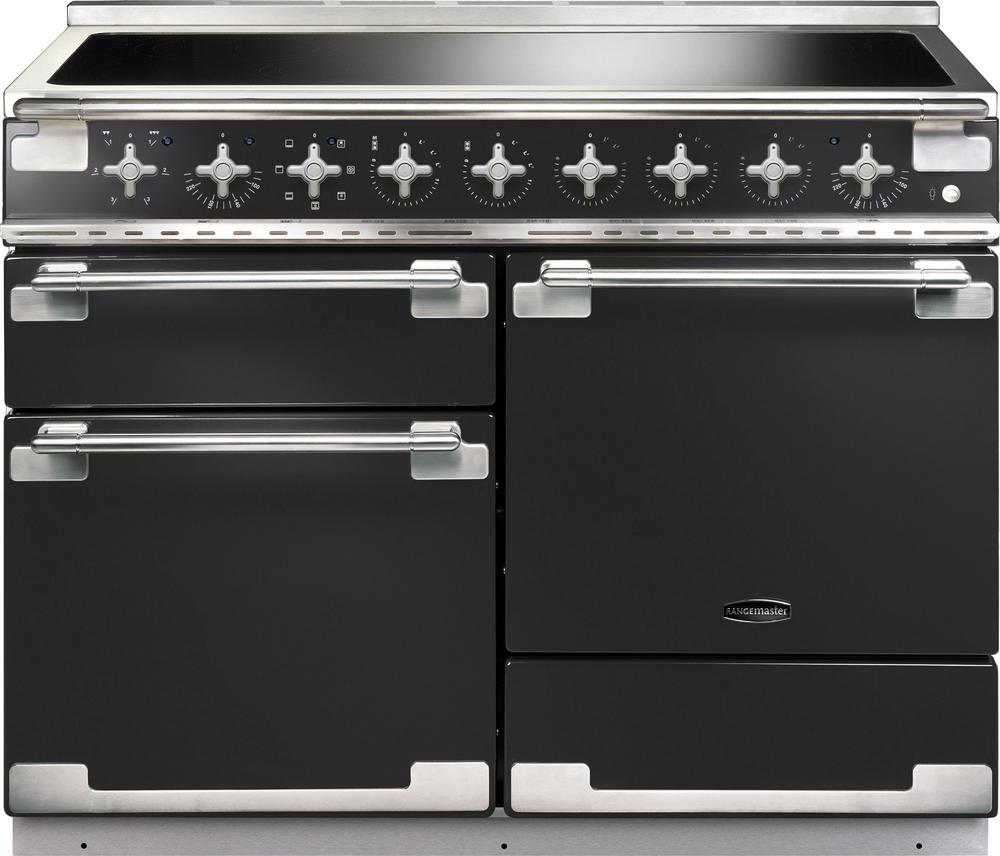
If you are planning a new kitchen and dream of a statement range cooker, a 110cm model with an induction hob is one of the smartest, most flexible options you can choose. The Rangemaster Elise ELS110EICA electric range cooker with induction hob is a great example of how a large cooker can combine classic design with modern, efficient cooking technology.
Why consider a 110cm induction range cooker?
A 110cm range cooker immediately gives you more room to cook, especially if you are used to a standard 60cm cooker. You typically gain extra oven cavities, more grill flexibility and a larger hob surface with multiple zones. For busy households, keen bakers or anyone who hosts big Sunday lunches, that extra space quickly becomes invaluable.
Induction brings another layer of practicality. It reacts quickly, similar to gas, but with the smooth, wipe-clean surface of an electric hob. Because it heats the pan directly, less energy is wasted, and the surrounding glass often stays cooler, which is reassuring if you have children in the house.
Meet the Rangemaster Elise ELS110EICA
The Rangemaster Elise ELS110EICA is a 110cm electric range cooker with an induction hob, finished in a distinctive China Blue. It is designed as a centrepiece appliance: wide, elegant and clearly aimed at people who see the cooker as part of the room’s furniture as much as a tool for making dinner.
As an electric model with an induction hob and A/A-rated ovens, it balances performance with energy-conscious design. You get the precision of electric ovens for baking, roasting and slow cooking, while the induction hob delivers fast boiling, gentle simmering and fine control for sauces.
If you want to understand the internal layout, cavity sizes and real-world performance in more detail, it is worth taking a look at our hands-on write-up. You can read our full review of the Rangemaster Elise ELS110EICA here for deeper insight into how it performs day to day.
Choosing the right finish: style matters more than you think
Because a 110cm range cooker dominates one wall of your kitchen, the finish you choose makes a big difference to how the room feels. The Elise ELS110EICA’s China Blue gives a contemporary, slightly coastal look that works beautifully with pale cabinets, oak worktops or white metro tiles.
If you like the Elise design but want a different colour palette, you can choose near-identical models in other finishes:
- Rangemaster Elise ELS110EICR in Cream – ideal for classic or country-style kitchens where you want something softer than stark white but still neutral.
- Rangemaster Elise ELS110EIRD in Cherry Red – a bold, warm shade that looks striking in modern spaces and industrial-style rooms.
Because these Elise models sit at a similar price point and share the same basic specification, the decision really can come down to colour and how the handles, trim and controls look alongside the rest of your kitchen. When you are investing at this level, it is worth asking yourself:
- Will this colour still work if I repaint the cabinets in a few years?
- Do I want the cooker to blend in or to stand out?
- How will the finish look in both natural daylight and evening lighting?
Elise vs Nexus SE: which style of range cooker suits you?
Within the same brand family, the Elise ELS110EICA is not your only 110cm induction option. If you prefer something more contemporary and streamlined, it is worth comparing it with the Nexus SE range.
The Rangemaster Nexus SE NEXSE110EISS/C in Stainless Steel and Chrome offers a sleeker, more modern aesthetic that pairs well with handleless cabinetry, stone worktops and integrated appliances. Meanwhile, the Rangemaster Nexus SE NEXSE110EIBL/C in Black and Chrome gives a more dramatic, monochrome look that can anchor a darker, more moody kitchen design.
Broadly speaking, Elise models lean slightly more towards a classic, continental feel, while Nexus SE cookers feel more minimalist and engineered. In both cases, you are getting electric ovens and an induction hob at a similar premium level, so the biggest differentiator is the design language and how it complements the rest of your space.
Key things to think about before you buy a 110cm electric range cooker
Whichever model you choose, there are some questions that are especially important for 110cm electric and induction ranges:
1. Do you have the right electrical supply?
Large electric range cookers typically need a dedicated, higher-capacity electrical connection rather than a standard 13-amp plug. Before you place an order, it is a good idea to confirm with a qualified electrician that your consumer unit and cabling can support the required load, and that there is an appropriate connection point where the cooker will sit.
2. Will it fit through doors and into your kitchen?
Check the product dimensions carefully and compare them with doorways, hallways and any tight corners on the route to your kitchen. Because the Elise ELS110EICA is a substantial 110cm appliance, measuring up beforehand can save a lot of stress on delivery day. Also allow a little space either side in your run of cabinets, following the manufacturer’s guidance.
3. How many ovens do you realistically need?
One of the appeals of the Elise and Nexus SE models is their multi-cavity design. Even if you don’t use every oven every day, having separate cavities makes it easier to cook a main course, sides and dessert simultaneously without flavour transfer. On quieter days, you can just use the smaller or faster-heating cavity to keep energy use sensible.
4. Are you ready to switch to induction cooking?
If you currently use gas, induction will feel different at first, but most people adapt quickly. You will get very fast heat-up times and excellent low-temperature control, especially for simmering. Check your existing cookware with a magnet; if it sticks firmly to the base, it should be compatible. If not, factor in a small budget for a new pan set.
Living with a large induction range: practical tips
Once a 110cm induction range like the Elise is in place, day-to-day habits will help you get the best from it.
Use the right-sized zone for each pan
Match your pots to the induction zones as closely as you can; this helps heat transfer efficiently and prevents hot spots. Large stockpots and frying pans belong on the bigger zones, while smaller saucepans work best on the more compact areas.
Take advantage of fast heat-up for busy evenings
Because induction hobs get pans up to temperature quickly, you can trim time from midweek meals. Instead of pre-boiling water in the kettle, try bringing pasta water to the boil directly on the hob. You can also start at a higher setting to get a pan hot, then drop to a lower level for a controlled simmer.
Make multi-oven cooking part of your routine
With a 110cm cooker, it is worth planning meals that use the ovens together. For example, you might roast vegetables in one cavity while baking a tray of granola in another, or keep plates warm while a main dish rests. Once you are used to the space, batch cooking becomes much more straightforward, helping you stock the freezer and reduce food waste.
Cleaning and caring for an electric range cooker
Part of the appeal of an induction-topped range like the Elise ELS110EICA is how manageable it is to clean compared with gas.
Keeping the induction hob looking its best
Spills are easiest to deal with if you wipe them as soon as the surface has cooled enough to be safe. Because the glass does not get as scorching as a traditional electric hob, many splashes do not bake on in the same way. A soft cloth, a little mild detergent and an occasional application of a specialist hob cleaner are usually all you need to keep it smear-free.
Looking after the ovens
Large ovens can be intimidating to clean, so build light, regular cleaning into your routine. Wipe up grease splashes after roasting and line trays where possible to catch drips. Follow the manufacturer’s guidance on any catalytic or enamel liners and avoid harsh abrasives that could damage the finish.
Energy use and efficiency: making a large cooker work sensibly
An A/A-rated electric range with induction hob is designed to be relatively efficient for its size, but how you use it makes a big difference to overall running costs.
- Heat only the oven cavities you need, rather than preheating all of them by default.
- Use fan settings where appropriate, as they can allow slightly lower temperatures and more even results.
- Take advantage of residual heat: an electric oven will stay hot enough to finish some dishes after you switch it off.
- On the hob, choose lids for pans and avoid boiling at a rolling fury for longer than necessary.
These small habits can add up, especially if you cook most meals from scratch.
When to choose the Elise, and when to look at Nexus SE alternatives
If you love the idea of a characterful range cooker that feels at home in both classic and modern kitchens, the Elise ELS110EICA in China Blue is a strong candidate. Its combination of electric ovens, induction hob and premium styling makes it a natural focal point, and the colour options across the Elise range provide plenty of flexibility.
If, however, you are aiming for a really contemporary, almost professional look, the Nexus SE models might suit you even better. The stainless steel Nexus SE NEXSE110EISS/C brings a brushed-metal finish that ties in neatly with built-in appliances and metallic handles, while the black Nexus SE NEXSE110EIBL/C works brilliantly in darker, bolder schemes.
Whichever you are leaning towards, the underlying questions are similar: how much oven capacity do you really need, where will the cooker sit in your layout, and what overall mood do you want the room to have?
Planning your kitchen around a 110cm range cooker
When you plan cabinets and worktops around a 110cm cooker, it helps to treat it as the anchor of one run of units. Many people choose to place it centrally on a wall, with pan drawers and utensil storage on either side, and a suitable extractor above.
Think about where you will chop, where hot trays will go when they come out of the oven, and where you will keep oils, spices and baking trays. The goal is to create a comfortable “cooking zone” with everything you need within arm’s reach, so the generous width of the appliance works with you rather than becoming an obstacle.
Next steps
A 110cm electric range cooker with induction hob is a major purchase, but it can completely change how you cook and how your kitchen feels. If the blend of classic design and modern technology appeals, spending a little time with the details of the Elise range is well worthwhile.
To see how the China Blue model performs in real homes, including more on oven layout, induction hob behaviour and everyday usability, you can read our in-depth review of the Rangemaster Elise ELS110EICA 110cm electric range cooker with induction hob. For alternative aesthetics at a similar level, the cream and cherry red Elise cookers, plus the two Nexus SE variants, are all worth a closer look before you make your final choice.