
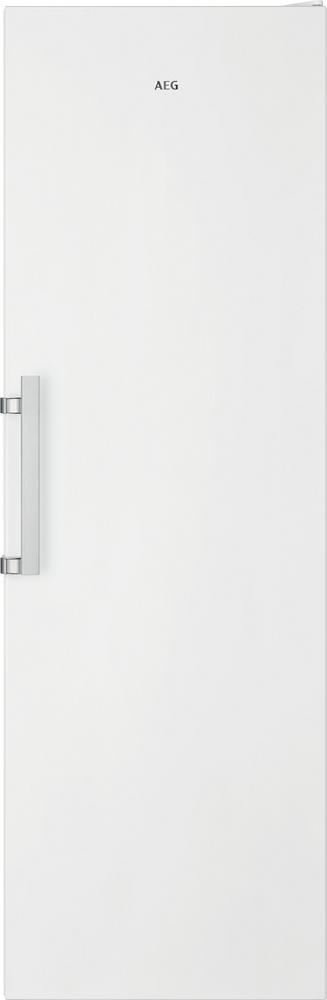
If you cook a lot at home or have a busy family kitchen, having plenty of chilled storage makes life much easier. Tall larder fridges like the AEG 7000 Series ORK7M391EW are designed exactly for that job: no freezer box eating into the space, just a full height of shelves, drawers and door balconies for fresh food and drinks. In this guide we’ll look at what to consider when choosing a tall fridge, how the ORK7M391EW fits into a modern kitchen, and a few alternative models worth a look if you’re still weighing up your options.
Why consider a tall larder fridge?
A larder fridge focuses purely on chilled storage, which is ideal if you already have a separate freezer or favour fresh ingredients over frozen. Instead of a small freezer compartment at the top, you get a full run of shelving right up to eye level, with generous door storage for bottles, jars and condiments.
The AEG 7000 Series ORK7M391EW is a good example of this style: a 186cm tall, white, freestanding fridge that gives you a lot of usable space in roughly the same footprint as a standard fridge-freezer. Without the internal freezer box, tall items like bottles, casserole dishes and big lunchboxes are much easier to slot in wherever suits you.
If you want a more detailed look at layout and storage options, you can read our full review of the AEG 7000 Series ORK7M391EW, but here we’ll stay focused on broader buying advice.
Getting the size and fit right
Before you fall in love with any particular fridge, grab a tape measure. Height, width and depth all matter, especially with a tall 186cm model like the ORK7M391EW.
Measure the available space
Measure from floor to any overhanging cupboards to confirm you can accommodate a full-height appliance. Allow a little extra at the top and back for air circulation so the fridge can cool efficiently. It’s also worth checking the width of any doorways or tight corners on the way into your kitchen – tall fridges need a clear path on delivery day.
The AEG 7000 Series ORK7M391EW is designed as a freestanding larder fridge, so it’ll usually sit at the end of a run of units or in a clear gap. If you’d prefer the same internal concept but with a different finish, the AEG 7000 Series ORK7M391EX offers a similar 186cm format with a stainless steel look that may suit more contemporary kitchens.
Freestanding vs integrated options
Not everyone wants a visible full-height appliance in the room. Integrated larder fridges hide behind a cabinet door for a sleeker look. If that’s the direction you’re leaning in, there are a few key differences to keep in mind:
- You’ll need to match the appliance size to your cabinetry (often around 122cm for many built-in uprights).
- The door fixing style (sliding or fixed) must match your kitchen design.
- Integrated models tend to have slightly less capacity than similarly sized freestanding alternatives because of the surrounding cabinet.
Two neat examples of integrated uprights are the Bosch Series 2 KIR41NSE0G and the Liebherr IRe4100, both around 122cm tall. They won’t give the same towering storage as the 186cm AEG, but they slot neatly into a built-in column for a clean, handle-less aesthetic.
Living with the AEG 7000 Series ORK7M391EW
What sets a good tall fridge apart is how easy it is to live with day to day. With over sixty customer ratings and an impressive average score, the ORK7M391EW clearly hits the mark for many households, but it’s worth thinking about the details that make a difference to you.
Interior layout and usability
A tall, single-door fridge works best when shelves, drawers and door balconies are well thought out. You’ll typically find:
- Full-width shelves for prepared meals, leftovers and larger platters.
- One or two drawers at the bottom for fruit and vegetables.
- Door racks for bottles, jars, sauces and smaller items.
The advantage of the AEG 7000 Series ORK7M391EW’s height is that more of your food is stored at a comfortable standing position. You’re not constantly crouching to check what’s at the back of a half-shelf under a freezer box. For a deeper breakdown of how the space is divided, you can read our full review of the ORK7M391EW here.
Door storage and family life
Families often rely heavily on the door for quick-grab items like milk, juice, spreads and condiments. When choosing a tall fridge, look for adjustable balconies so you can make the most of the vertical space. Well-designed door storage can be the difference between a tidy interior and a constantly cluttered shelf full of bottles that never quite fit.
The ORK7M391EW’s door is designed to make use of the full 186cm height, so you can usually line up tall bottles on the bottom balcony and still have room for sauces and jars above. If you prefer a different look but the same idea, the stainless model, the ORK7M391EX, is worth a look.
Energy rating and running costs
Electricity prices have made many of us more conscious of how much our fridges cost to run. The AEG 7000 Series ORK7M391EW carries an E rating on the modern energy label, a sensible balance of performance and efficiency for a large-capacity fridge.
There are a few easy habits that help keep running costs down, whichever model you choose:
- Keep the temperature at around 4°C for a good balance of food safety and efficiency.
- Let hot dishes cool to room temperature before popping them in the fridge.
- Avoid leaving the door open for long periods when you’re unpacking a big food shop.
- Defrost any companion freezer promptly if it’s not frost free, as an icy freezer makes the fridge work harder too.
If you’re looking at integrated options, compact models like the Smeg UKU8L080DE integrated under counter fridge can also be relatively economical simply because they have less interior volume to cool.
Freestanding vs integrated: choosing the right style
The AEG 7000 Series ORK7M391EW and ORK7M391EX are both freestanding, which brings some clear advantages. They’re generally easier to install, move and replace than built-in units, and you can often gain a little extra internal space because you’re not limited by cabinet dimensions.
Integrated fridges like the Bosch Series 2 KIR41NSE0G and Liebherr IRe4100 offer a very different appeal: a completely seamless kitchen where appliances disappear behind doors. The trade-off is capacity and flexibility. You’ll be working within a fixed aperture, and you’ll need to pay attention to details like whether you need a sliding door fixing kit (where the appliance door and cabinet door slide together) or a fixed door kit (where they’re rigidly attached).
Under-counter options, such as the Smeg UKU8L080DE, are particularly handy in small kitchens, annexes or as a second drinks or breakfast fridge. They don’t compete with the sheer storage of a tall larder model like the ORK7M391EW, but they can complement it nicely in a larger household.
Organising a tall fridge for everyday ease
Once your new fridge is in place, a bit of thought about organisation helps you get the most from it. A tall cabinet gives you lots of vertical space, but you want to avoid turning it into a game of Jenga.
Use zones for different foods
You don’t need labelled containers everywhere, but assigning rough zones can save time and reduce food waste:
- Top shelves: ready-to-eat items like leftovers, cooked meats and desserts.
- Middle shelves: dairy, deli items and prepped ingredients for the week.
- Lower shelf: raw meat and fish, to avoid drips onto other foods.
- Drawers: fruit and vegetables, separated where possible.
- Door: condiments, sauces, juice and frequently used drinks.
The height of the ORK7M391EW makes it easy to dedicate a full shelf to meal prep containers or big family-sized dishes. Having a clear plan for where everything lives makes it less likely something will get lost at the back until it’s well past its best.
Making the most of door balconies
Door storage is slightly warmer than the interior, so it’s better for drinks, sauces and items with a long life, rather than foods that spoil easily. Adjustable balconies on the AEG 7000 Series 186cm fridges give you some flexibility; if you often chill tall bottles, check there’s enough headroom above the bottom rack, or consider using a dedicated bottle shelf inside if available.
Style and finish: white vs stainless steel
For many buyers, the decision doesn’t stop at capacity and layout. The outside finish matters just as much as the inside. The ORK7M391EW comes in a clean white finish that blends well with most traditional kitchens and is often a little more forgiving of everyday fingerprints.
If your kitchen leans more modern, with darker units, glass, and metallic accents, the AEG 7000 Series ORK7M391EX in stainless steel presents the same tall-larder concept wrapped in a more contemporary skin. It’s a simple way to coordinate with built-in ovens or hobs without changing the fundamental way your fridge works.
Comparing alternative larder fridge options
If you’re not yet set on a full-height, freestanding design like the ORK7M391EW, it helps to view it alongside some different takes on the larder idea.
- AEG 7000 Series ORK7M391EW (hero model) – 186cm tall, white finish, generous chilled capacity with no freezer section. Ideal if you want a main family fridge with everything at eye level.
- AEG 7000 Series ORK7M391EX – broadly similar concept to the ORK7M391EW but with a stainless steel exterior. Perfect if you prefer a more modern industrial look.
- Bosch Series 2 KIR41NSE0G – a 122cm integrated upright designed to sit behind a cabinet door using a sliding door fixing. Suits fitted kitchens where a neat, harmonised finish is more important than maximum volume.
- Liebherr IRe4100 – another 122cm integrated larder fridge, this time with a fixed door fixing kit. A solid choice if you prefer a direct, rigid connection between the appliance and cabinet fronts.
- Smeg UKU8L080DE – a compact, 82cm integrated under-counter fridge. Useful in smaller kitchens, home offices or utility rooms where you need chilled space without dedicating an entire tall housing.
All of these models sit under the “larder” umbrella, but they serve quite different kitchen layouts and lifestyles. Deciding between them is less about which is objectively best, and more about what works with the space you have and how you like to shop and cook.
Care, cleaning and long-term reliability
Whichever fridge you choose, a little regular maintenance helps it run efficiently and keeps the interior pleasant to use. Aim to give shelves and drawers a quick wipe with a soft cloth and mild soapy water every couple of weeks. Door seals benefit from an occasional clean too, as crumbs and residue can stop them sealing properly.
Check the back and sides every so often to make sure nothing is pressed tightly up against the vents. For freestanding models like the ORK7M391EW and ORK7M391EX, it’s easier to pull the fridge forward slightly to clean behind if needed. Integrated models such as the Bosch KIR41NSE0G, Liebherr IRe4100 and Smeg UKU8L080DE will usually be fixed in more securely, but you can still vacuum accessible vents and keep the front grille clear of dust.
Is the AEG 7000 Series ORK7M391EW right for you?
If you want a tall, family-sized fridge with no compromise on chilled storage, the AEG 7000 Series ORK7M391EW is a strong candidate. Its 186cm height makes it particularly suitable for households that cook regularly, buy fresh ingredients in bulk or batch cook for the freezer. Pair it with a separate freezer elsewhere and you have a very flexible setup.
Those with a more contemporary kitchen may lean towards the ORK7M391EX in stainless steel instead, while anyone planning a fully built-in scheme might prefer integrated options like the Bosch Series 2 KIR41NSE0G or Liebherr IRe4100. Where space is tight or you want a second fridge in a utility or snug, a compact integrated model such as the Smeg UKU8L080DE can be a smart addition alongside or instead of a tall unit.
To dig deeper into the day-to-day experience, interior layout and customer feedback, take a look at our dedicated product pages – starting with the in-depth review of the AEG 7000 Series ORK7M391EW 186cm fridge. With the right mix of capacity, layout and style, a well-chosen larder fridge should quietly get on with its job for years, making life in the kitchen that little bit easier.