
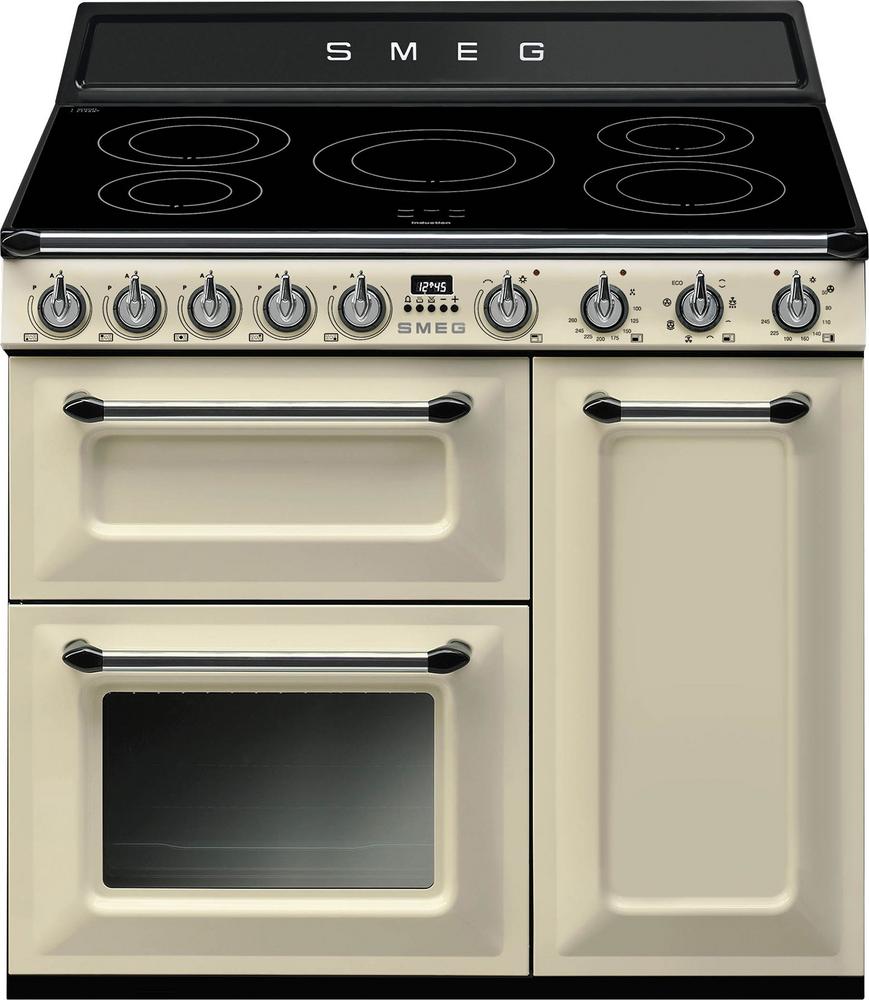
If you love the idea of a traditional-looking range cooker but still want modern performance and efficiency, Smeg’s Victoria series is probably on your shortlist. The Smeg Victoria TR93IBL2 90cm Electric Range Cooker with Induction Hob blends classic styling with an up-to-date induction top and multi-oven layout, making it a strong candidate for busy UK kitchens. In this guide, we’ll walk through what to think about when choosing an induction range cooker like the TR93IBL2, how it fits into a real family home, and how it compares with other Victoria models in different sizes and fuel types.
Why choose a 90cm induction range cooker?
A 90cm range cooker is often the sweet spot for people upgrading from a standard 60cm cooker. You gain more oven space and a bigger hob surface without needing a huge kitchen or major building work. The Smeg Victoria TR93IBL2 sticks to that winning 90cm width, giving you a traditional “statement” appliance that still slides into many existing cooker gaps.
Induction is a major part of its appeal. Instead of heating the glass or a metal burner, it uses magnetic fields to heat the pan itself. That usually means:
- Very fast heat-up times for boiling and frying
- Fine-grained control for simmering sauces
- Less wasted heat and a cooler kitchen
- A glass surface that’s simpler to wipe clean
If you’re moving from an old electric or gas hob, the step up in responsiveness can be noticeable. For the full low-down on how this particular model behaves day to day, you can read our full review of the Smeg Victoria TR93IBL2.
Understanding the Smeg Victoria TR93IBL2 layout
While we won’t dive into every technical detail, it’s worth getting a clear picture of the type of layout you get with a 90cm electric range cooker like the TR93IBL2. Smeg’s Victoria design is inspired by classic ranges, with chunky knobs, distinctive handles and a more traditional fascia. Behind that retro styling, you still get the multi-cavity flexibility modern cooks expect.
A typical 90cm Victoria electric range offers:
- A main multi-function oven for roasts, traybakes and everyday dishes
- A secondary oven that’s handy when you need a different temperature
- A separate grill or third cavity for quick snacks and finishing off dishes
- An induction hob with multiple zones spread across the top
This kind of set-up is ideal if your current cooker regularly feels “full”, particularly on Sundays or when entertaining. You can roast in one oven, bake a pudding in the other and still have space to grill veg or crisp up toppings.
The TR93IBL2’s classic black finish also makes it a natural fit for Shaker-style kitchens, monochrome schemes or spaces with darker worktops. If you’re designing a kitchen around a statement range, it’s worth thinking about how the colour of the cooker will work with cabinets, flooring and splashbacks over the next decade, not just this season.
Is a 90cm range big enough, or should you go larger?
One of the biggest decisions when choosing a range cooker is size. The Smeg Victoria TR93IBL2 sits at 90cm wide, which many people find perfect, but some households need more space. If you like the look and feel of the black TR93IBL2 yet want a wider top and extra oven space, consider the Smeg Victoria TR103IBL2 100cm Electric Range Cooker with Induction Hob.
Stepping up from 90cm to 100cm may not sound like much, but those extra centimetres can translate into:
- A more generous hob area for larger pans or more zones
- A little more breathing space between burners for big pots
- Potentially roomier ovens or slightly different cavity layouts
If you host big gatherings, batch cook regularly or just like to spread out on the hob, the 100cm TR103IBL2 is worth a look. You still get the Victoria styling and induction efficiency, just in a slightly more expansive format.
Comparing colour and finish options
Style is a big part of why many people gravitate towards the Victoria range. The TR93IBL2 comes in a classic black finish, which is timeless and forgiving for day-to-day use. However, Smeg also offers a slate grey version in the same 90cm electric induction format: the Smeg Victoria TR93IGR2 90cm Electric Range Cooker with Induction Hob.
Choosing between the two is about more than just taste:
- Black tends to blend well with darker worktops and appliances and can hide some marks, though dust and smears may show.
- Slate grey often sits comfortably between light and dark cabinets, softening the look of a large appliance and helping it tie into modern neutral colour schemes.
If you’re planning a full kitchen refit, it can be helpful to get a sample of your worktop and door colours and hold them up against images of both finishes. Think about lighting, too: a grey cooker can appear warmer or cooler depending on whether your kitchen has warm or cool white bulbs.
Dual fuel vs full electric: does gas still have a place?
The TR93IBL2 is a fully electric range with an induction hob, which keeps things simple in terms of fuel connections: you just need an appropriate electrical supply. But some cooks still love cooking on gas, especially for stir-fries and dishes where a visible flame feel is part of the experience. If that sounds like you, a dual fuel Victoria might be a better fit.
Two popular examples in the range are the 110cm-wide Smeg Victoria TR4110P1 Dual Fuel Range Cooker in Cream and the pastel-toned Smeg Victoria TR4110AZ Dual Fuel Range Cooker in Pastel Blue. Both give you:
- Electric ovens for even baking and roasting
- A traditional gas hob on top with multiple burners
- A full 110cm width, making a serious focal point in larger kitchens
Dual fuel offers a nice balance if you prefer the feel of gas burners but want the precision and consistency of electric ovens. These 110cm models also lean harder into the “restaurant-style” range look, particularly in lighter colours like cream or pastel blue.
If you’re not sure whether to go full electric with induction or opt for dual fuel, consider:
- Whether you already have a gas supply in the right place
- Your budget for installation and any gas work
- How important visible flame cooking is to your style
- Whether you value the easier cleaning and speed of an induction hob
Planning installation and electrics
Before committing to an electric range cooker like the Smeg Victoria TR93IBL2, it’s worth double-checking what your kitchen can support. Full-sized electric and induction ranges typically need a dedicated high-amp circuit, and you’ll want an electrician to confirm everything is up to scratch.
When planning, think about:
- Electrical load: Make sure your consumer unit and wiring can handle the cooker’s requirements.
- Positioning: The cooker should sit between suitable base units with enough clearance for heat and ventilation.
- Extract ventilation: A good extractor or hood above the hob helps remove steam and cooking odours.
- Access routes: Measure doorways, corridors and tight turns for delivery day, especially with 100cm and 110cm models.
Because the TR93IBL2 is a 90cm model, it’s often easier to fit into existing spaces than wider ranges. That makes it a strong choice if you’re upgrading in a finished kitchen rather than ripping everything out.
Living with an induction range day to day
Beyond the specs and styling, it’s useful to think about what life is actually like with a range cooker that has an induction hob. Owners of models like the TR93IBL2 tend to highlight a few recurring themes.
Pan compatibility
Induction needs pans with magnetic bases, so some older or speciality pieces may not work. In practice, many modern stainless steel and cast iron pans are compatible. A quick magnet test on the base will tell you whether they’re suitable. If not, factor in the cost of replacing a few favourites when budgeting.
Speed and control
Induction’s big advantage is speed. Boiling water, searing steaks or bringing a large pot to simmer tends to be noticeably quicker than on many ceramic or solid plate hobs. You can also dial the temperature up or down very precisely, which is useful for tasks like custards, sauces or melting chocolate.
Cleaning and care
The flat glass surface of an induction hob is far easier to clean than pan supports and burners. Because only the pan gets very hot, many spills don’t weld themselves to the glass as badly as they do on traditional electric tops. A soft cloth, a non-abrasive cleaner and a habit of wiping up once the surface has cooled keeps it looking fresh.
Choosing between different Smeg Victoria range sizes
To recap the key sizing options represented by the models here:
- 90cm electric induction: The Smeg Victoria TR93IBL2 in black and the TR93IGR2 in slate grey are ideal for standard family kitchens that want more oven space and a premium look without going huge.
- 100cm electric induction: The TR103IBL2 gives you a bit more breathing room on the hob and a wider overall footprint, great for keen cooks.
- 110cm dual fuel with gas hob: The cream TR4110P1 and pastel blue TR4110AZ are best suited to larger kitchens, island installations and households that love a full statement range with gas burners.
Think practically about how much oven and hob space you genuinely use in a typical week. It’s easy to be seduced by the biggest model, but for many households, a 90cm electric induction range like the TR93IBL2 strikes a really happy balance between capacity, running costs and fitting into a UK terrace or semi.
Energy use and everyday efficiency
With energy prices higher than they used to be, efficiency is a big consideration. While exact figures vary by model, electric ranges with induction hobs tend to be relatively efficient options among larger cookers.
Induction itself is inherently efficient because it puts energy straight into the pan rather than the air around it. Many modern electric ovens also offer fan-assisted modes that let you cook at slightly lower temperatures and can often handle multiple trays at once.
To get the most from an induction range cooker:
- Use lids on pans to reduce heat loss.
- Match the pan size to the hob zone to avoid wasted energy.
- Preheat ovens only for as long as necessary, not by default.
- Use smaller cavities where possible instead of heating everything at once.
The Smeg Victoria TR93IBL2 offers the all-electric flexibility to use just the functions you need on a day-to-day basis, with extra capacity on tap for bigger occasions. For detailed energy performance impressions from real-world use, you can read our full Smeg Victoria TR93IBL2 review.
Who is the Smeg Victoria TR93IBL2 best suited to?
Bringing all of this together, a 90cm electric range cooker with induction like the TR93IBL2 tends to suit:
- Households upgrading from a 60cm cooker who frequently run out of space
- People who want traditional styling but up-to-date technology
- Families who appreciate multiple ovens for varied mealtimes
- Homes where a gas supply isn’t convenient or desired
If your kitchen is smaller or more galley-shaped, 90cm is often the most practical range size that still feels special. If you know you’ll make use of every burner and cavity regularly, that’s when the 100cm and 110cm alternatives start to shine.
Final thoughts
Choosing a new range cooker is a big decision: it dominates your kitchen visually and shapes how you cook every day. The Smeg Victoria TR93IBL2 90cm Electric Range Cooker with Induction Hob offers a compelling blend of classic looks, modern induction technology and family-friendly oven flexibility that will suit many UK homes. If you’re leaning towards this size and style, take a moment to compare it with the slate grey TR93IGR2, the wider TR103IBL2 and the dual fuel TR4110P1 or TR4110AZ to find the exact mix of colour, fuel type and capacity that feels right.
Once you have a shortlist, digging into hands-on impressions is invaluable. Use the links in this guide to explore our in-depth reviews, including the detailed review of the Smeg Victoria TR93IBL2, so you can buy with confidence and enjoy your new range for years to come.